Oct . 20, 2025 12:05 Back to list
Formwork Wing Nut – High Strength, With Plate & Water Stop
Wing Nut & Tie Rod: The Small Part That Holds Big Pours Together
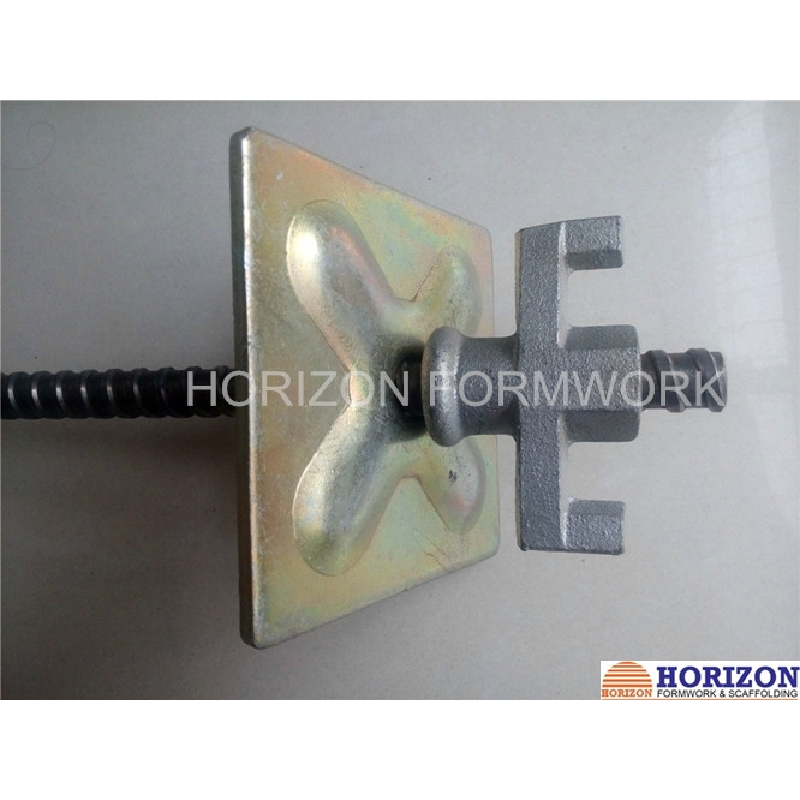
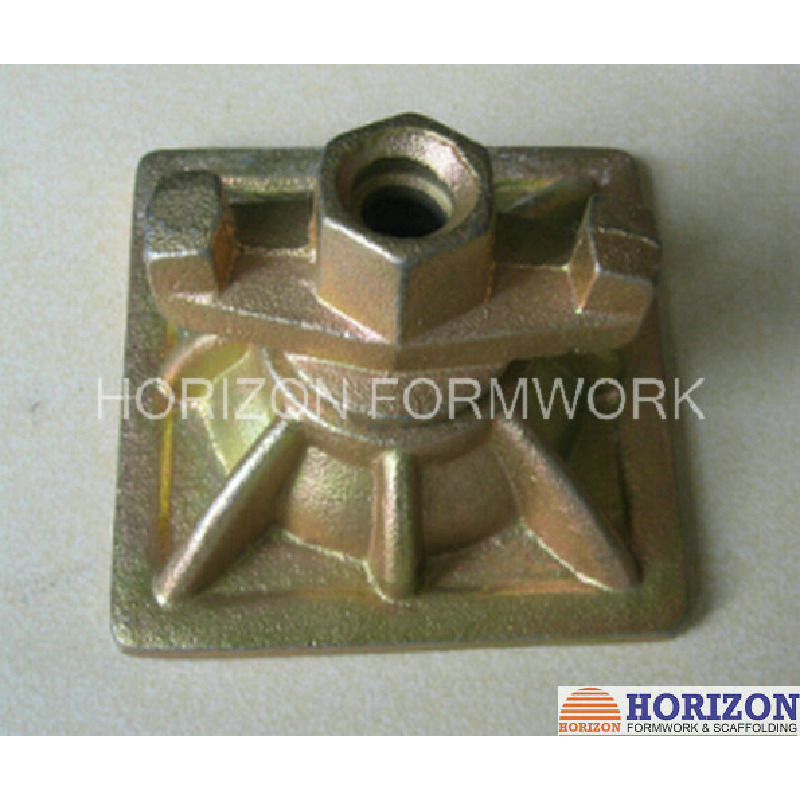
If you’ve ever stood beside a humming pump on a chilly morning, watching a wall pour climb, you know the quiet hero is the formwork wing nut. It looks simple. It isn’t. This tiny clamp point translates into tens of tons of pressure resistance across a formwork face. The tie rod system does the heavy lifting; the nut locks it in—again and again.
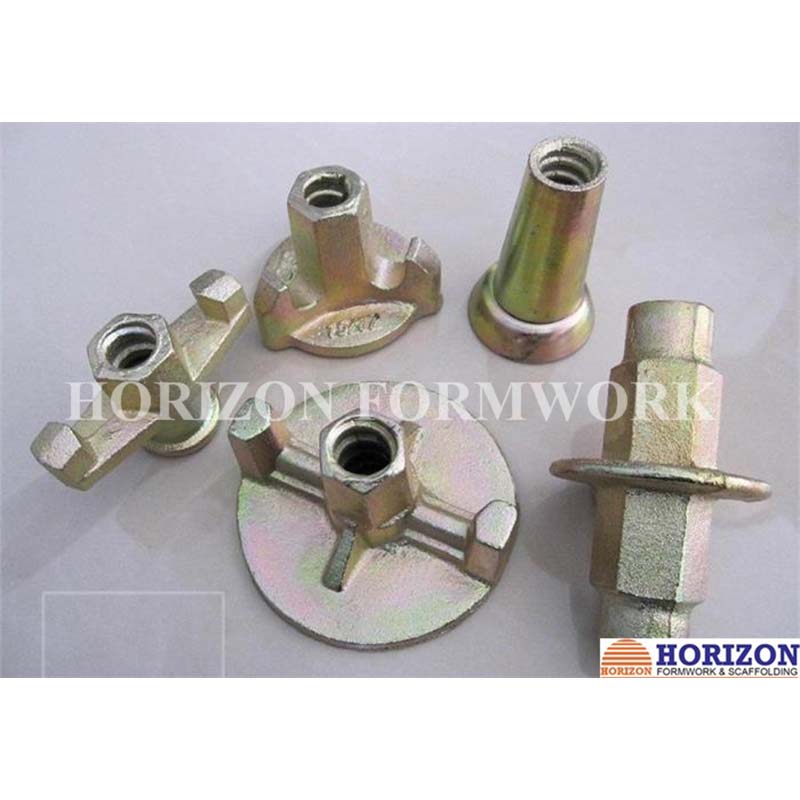
From Horizon’s facility at Hustpark Building No. 4, Zhongxing East Street, Xingtai, Hebei, China, the Wing nut & tie rod set ships worldwide. The tie rod anchors panels, sometimes left embedded as a “lost part.” The nut, waler plate, and water stop round out the system. Many customers say the upgrade from generic castings to ductile-iron nuts is the moment leakage stops and rework costs nose-dive.
Where and why it’s used
- Basements, retaining walls, elevator cores, tanks, shafts
- High head pressures in SCC and pumped concrete
- Repetitive cycles in modular systems (aluminum or steel frames)
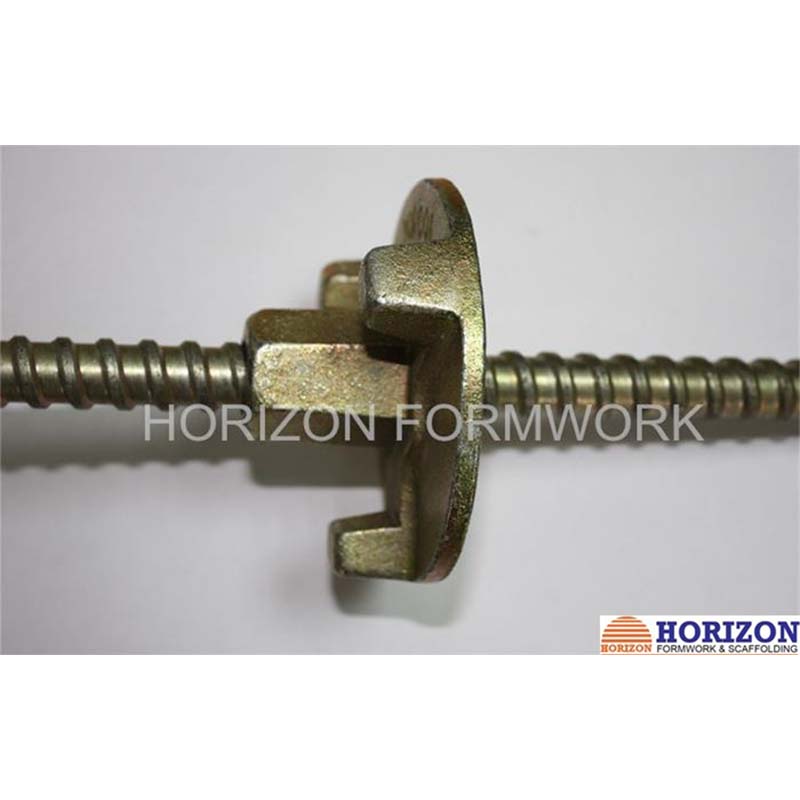
In practice, a formwork wing nut mates with DW15 or DW20 threaded rods, drawing panels tight against walers. Simple, fast, glove-friendly—especially when time is short and pour windows are unforgiving.
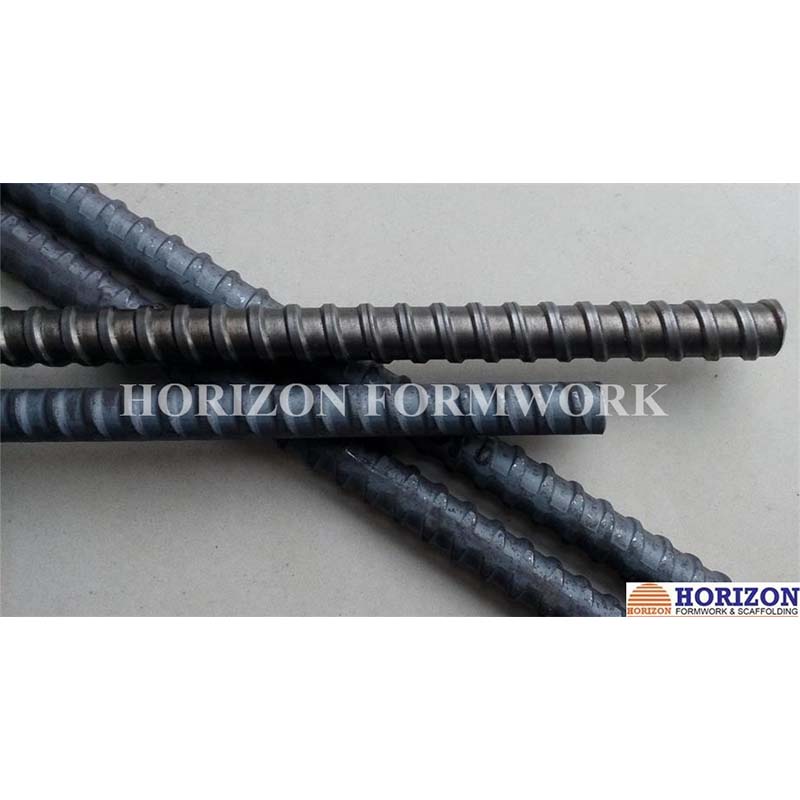
Typical specifications (field-proven)
| Thread interface | DW15 (15/17) and DW20 (20/22) |
| Nut material | Ductile iron ≈ EN-GJS-400-15 (EN 1563), or forged steel for heavy-duty |
| Tie rod steel | Carbon steel, approx. ISO 898-1 Grade 5.8/8.8 equivalents (real-world use may vary) |
| Finish | Black, electro-galvanized, or hot-dip galvanized (ISO 1461) |
| Breaking load (DW15) | ≈ 180 kN; recommended working ≈ 90 kN |
| Breaking load (DW20) | ≈ 260 kN; recommended working ≈ 120 kN |
| Reusable cycles | 50–100+ with proper cleaning/lube (site conditions matter) |
Process flow and testing
Materials are selected to DIN 18216 intent for formwork anchorages. Nuts are cast (or forged), shot-blasted, machined, then coated. Tie rods are rolled-threaded to maintain fiber continuity. QC includes: tensile tests (ISO 6892-1 methods), proof-load checks, torque-to-failure sampling, coating thickness checks (ISO 1461), and random salt-spray for zinc variants. Service life? I’ve seen crews push well past 100 reuses when rods are kept straight and threads are oiled—small habit, big payoff.
Vendor snapshot (real-world buyers look for this)
| Vendor | Load rating | Certs | Lead time | Customization |
|---|---|---|---|---|
| Horizon Form (China) | DW15 ≈180 kN, DW20 ≈260 kN | ISO 9001; in-house tests per DIN 18216 intent | ≈ 2–4 weeks | Logo, coating, special wings, water-stop sets |
| Vendor A (EU) | Similar ratings (spec-sheet) | ISO 9001, CE on related systems | ≈ 1–3 weeks | Broad SKUs, premium finishes |
| Vendor B (APAC) | Adequate for light-medium duty | Factory QC statements | ≈ 3–6 weeks | Limited |
Customization and options
- Wings: standard, heavy-duty, or ergonomic profile for gloved hands
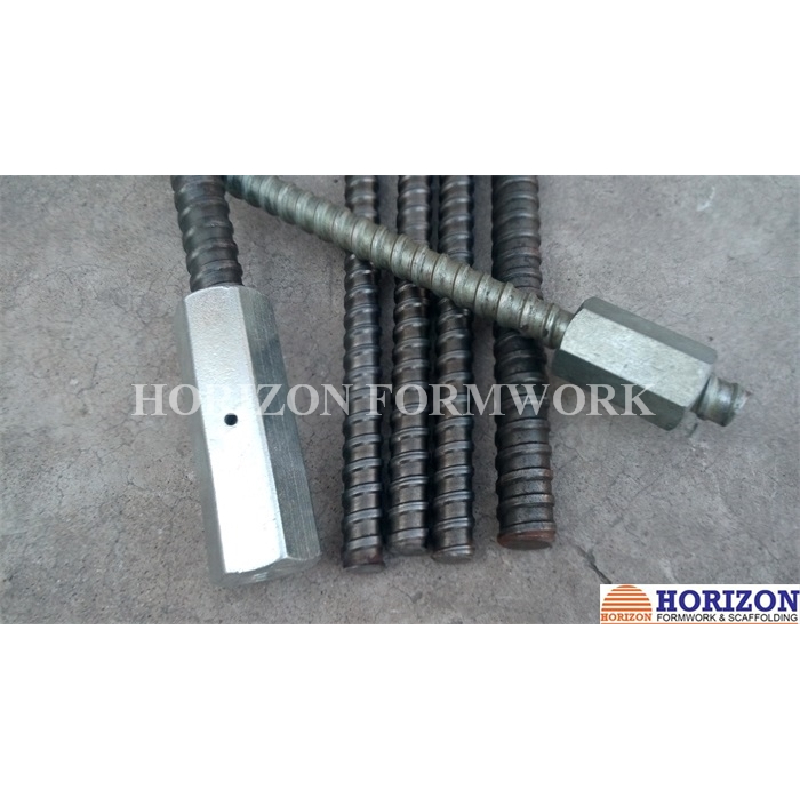
- Threads: DW15/DW20, custom lengths, welded water-stop disks for basements
- Coatings: black, zinc, hot-dip; stainless tie rods for corrosive zones
- Branding: cast-in logos and batch traceability (QR is trending, honestly handy)
Mini case study
A mid-rise core in humid coastal climate swapped to formwork wing nut sets with hot-dip galvanized rods. Result: tie replacement rate dropped ≈35%, panel seepage during cold joints fell noticeably (site QC logs), and cycle time improved by about half a shift per floor. Not glamorous, but the PM told me it “paid for itself by Level 9.”
Trends and best practices
- Higher SCC head pressures demand verified anchor capacities
- Greener coatings and longer-life ductile iron to cut scrap
- Digital traceability: lot-to-pour mapping is becoming standard
- Follow ACI/OSHA guidance on spacing, inspection, and load paths
Final thought: the formwork wing nut is one of those parts nobody praises when everything goes right—but everyone notices when it doesn’t. Choose a spec that matches your pressure, your reuse plan, and your weather, and you’ll feel the difference in the pour schedule, not just the toolbox.
Authoritative references
- DIN 18216 – Formwork anchorages: Tie rods and accessories.
- ISO 898-1 – Mechanical properties of fasteners made of carbon steel and alloy steel.
- EN 1563 – Founding: Spheroidal graphite cast irons.
- ISO 1461 – Hot dip galvanized coatings on fabricated iron and steel articles.
- ACI 347 – Guide to Formwork for Concrete; OSHA 29 CFR 1926 Subpart Q.
-
OEM Pipe Shuttering: Efficient, Durable Solutions for Global Construction
NewsDec.03,2025
-
OEM A-Frame Scaffolding: Durable & Safe Solutions for Global Construction Needs
NewsDec.03,2025
-
OEM Formwork and Scaffolding: Essential Solutions for Global Construction Efficiency
NewsDec.03,2025
-
OEM Quick Industrial Scaffolding: Fast, Safe, and Sustainable Solutions for Modern Industry
NewsDec.02,2025
-
What is OEM Permanent Formwork for Suspended Slabs? Benefits & Global Insights
NewsDec.02,2025
-
OEM Plastic Formworks for Concrete: Durable, Eco-friendly Solutions for Modern Construction
NewsDec.02,2025