Sep . 23, 2025 11:00 Back to list
Wall Formwork: OEM Flexible & Curved Solutions for Efficient Builds
Precision in Construction: The Foundation of Modern Structures with Wall Formwork
In contemporary construction, the integrity and aesthetic of concrete structures are fundamentally dependent on the quality and precision of their temporary molds. Central to this is wall formwork, an essential component for shaping vertical concrete elements such as walls, columns, and shear walls. This engineered system, also often referred to as wall shuttering, provides the necessary support and mold for fresh concrete until it cures and gains sufficient strength. Its role extends beyond mere shaping, directly influencing the structural stability, surface finish, and overall construction efficiency of a project. From high-rise residential towers to complex industrial facilities, the demand for robust, efficient, and adaptable formwork solutions continues to grow, driving innovation in design, materials, and application methodologies. This article delves into the technical intricacies, industry applications, and strategic advantages of modern wall formwork systems, offering a comprehensive guide for B2B decision-makers and engineering professionals.
Evolving Landscape: Current Trends in Wall Formwork Technology
The construction industry is experiencing a rapid evolution, with significant advancements impacting the design and deployment of wall formwork. Key trends emphasize sustainability, automation, advanced materials, and digital integration. There is a growing push towards modular and lightweight systems, enhancing ease of assembly, reducing labor requirements, and minimizing on-site waste. Materials like high-strength aluminum and composite panels are increasingly favored over traditional timber, offering improved reusability, durability, and a superior concrete finish.
Automation, particularly in large-scale projects, is transforming formwork operations. Self-climbing formwork and automated concrete placement systems are becoming more common, improving safety and accelerating project timelines. Furthermore, the integration of Building Information Modeling (BIM) allows for precise planning, clash detection, and optimized formwork utilization, leading to greater efficiency and cost savings. The demand for shear wall formwork and systems adaptable to complex geometries, such as curved wall formwork and circular wall formwork, is also driving innovation in flexible and customizable solutions, reflecting the architectural demands of modern infrastructure.
The Engineering of Durability: Wall Formwork Technical Specifications
Modern wall formwork systems are engineered to withstand immense hydrostatic pressures exerted by fresh concrete while maintaining precise dimensions and achieving desired surface finishes. Key technical parameters guide the selection and application of these systems.
| Parameter | Specification/Range | Significance |
|---|---|---|
| Material Composition | Steel, Aluminum, Plywood (film-faced), Composite Panels | Influences strength, weight, reusability, and surface finish. Steel for heavy-duty, aluminum for lightweight. |
| Panel Dimensions | Typically 0.5m x 1m to 2.5m x 3m (variable) | Determines adaptability to wall heights and lengths, impacts handling and assembly time. |
| Permissible Concrete Pressure | 60 kN/m² to 80 kN/m² (up to 120 kN/m² for specialized systems) | Critical for structural integrity during concrete pouring, especially with high pour rates. |
| Panel Weight | 25 kg/m² to 50 kg/m² (dependent on material and design) | Affects manual handling feasibility and crane requirements. |
| Number of Reuses (approx.) | 50-100 for Plywood, 200-500+ for Steel/Aluminum | Directly impacts cost-effectiveness and sustainability over project lifecycle. |
| Surface Finish Class | F1 to F4 (European standard) | Indicates the smoothness and quality of the concrete surface achievable. |
These specifications ensure that shear wall formwork can meet the stringent demands of modern construction, offering reliability and consistent results for structural elements.
From Raw Material to Robust Structure: The Wall Formwork Manufacturing Process
The manufacturing of high-quality wall formwork systems is a meticulous process demanding precision engineering and adherence to stringent quality controls. It integrates advanced material science with sophisticated fabrication techniques to produce durable and reliable components.
Process Flow:
- 1. Material Selection & Procurement: High-grade steel (e.g., Q235, Q345) for frames, aluminum alloys (e.g., 6061-T6) for lighter panels, and film-faced plywood or phenolic resin-coated birch plywood for facing sheets are selected based on design requirements for strength, reusability, and surface finish.
- 2. Frame Fabrication (Cutting & Shaping): Raw metal sheets or profiles undergo precise cutting using CNC laser or plasma cutting machines. Bending and forming processes, often through hydraulic press brakes or roll forming, shape the components into the desired frame profiles.
- 3. Welding & Assembly: Frame components are meticulously welded using advanced techniques such as robotic MIG/MAG welding to ensure strong, consistent joints. This phase defines the structural integrity of the formwork panels.
- 4. Surface Treatment & Coating: For steel components, shot blasting removes impurities before application of protective coatings like powder coating, hot-dip galvanization, or specialized epoxy paints. This enhances corrosion resistance, extending the service life of the formwork, especially in harsh environments common in petrochemical and metallurgy industries. Aluminum typically undergoes anodizing for increased hardness and corrosion protection.
- 5. Facing Material Integration: The selected facing material (e.g., plywood) is precisely cut and securely attached to the metal frames, ensuring a smooth, uniform surface for concrete contact. Advanced bonding agents and fastening techniques are employed to prevent delamination.
- 6. Quality Control & Testing: Each batch undergoes rigorous testing to meet international standards such as ISO 9001 for quality management and ANSI standards for structural performance. This includes dimensional checks, weld integrity tests (e.g., ultrasonic testing), load-bearing capacity tests, and surface finish evaluations. Our products typically guarantee a service life exceeding 200 cycles for steel-framed systems under proper use and maintenance.
- 7. Accessory Manufacturing: Ancillary components like clamps, ties, walers, and support props are produced concurrently, often through forging or casting, followed by CNC machining for precision.
- 8. Final Assembly & Inspection: Components are assembled into complete formwork panels, followed by a final comprehensive inspection to verify compliance with design specifications and performance benchmarks.
This meticulous process ensures that our oem formworks for wall meet the highest standards, offering significant advantages such as energy saving through efficient construction cycles and superior corrosion resistance, crucial for target industries like petrochemical, metallurgy, and water supply & drainage.
Versatility in Application: Where Wall Formwork Excels
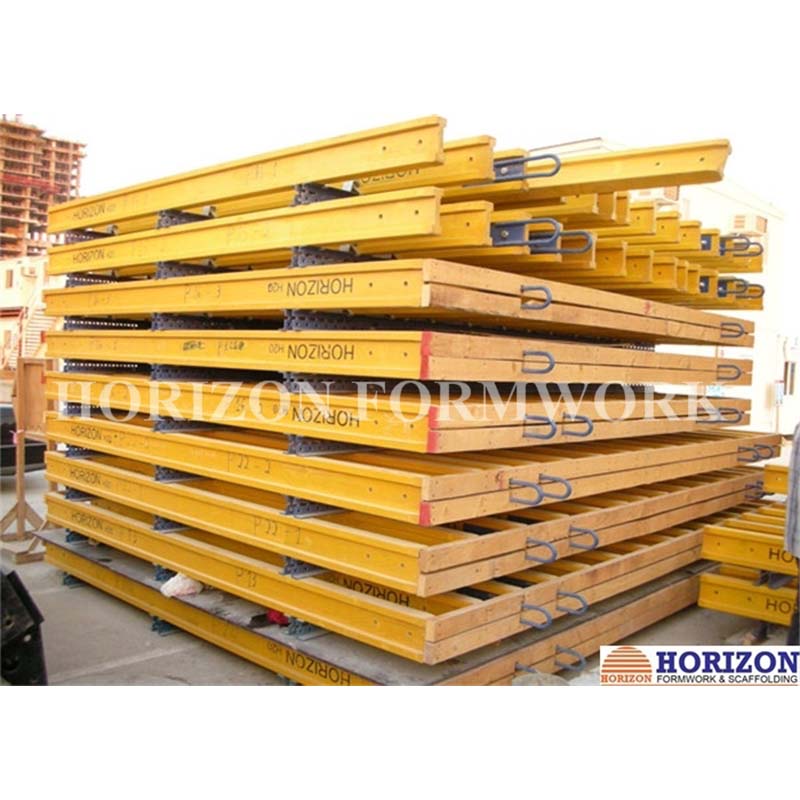
The adaptability of wall formwork systems makes them indispensable across a broad spectrum of construction projects, from residential and commercial developments to heavy civil engineering.
- High-Rise Buildings: For towering structures, vertical formwork for wall ensures the precise casting of core walls, lift shafts, and exterior walls, facilitating rapid construction cycles and high-quality finishes. Systems are designed for fast assembly and dismantling, critical for project timelines.
- Infrastructure Projects: Bridges, tunnels, retaining walls, and subway systems extensively utilize formwork for their robust concrete elements. Projects requiring significant structural integrity, such as those exposed to dynamic loads, benefit from specialized shear wall shuttering that can withstand immense concrete pressures and deliver smooth, durable surfaces.
- Industrial Facilities: Power plants, petrochemical complexes, and factories demand custom formwork for their specialized concrete structures, including heavy foundations, bunker walls, and containment structures. The ability to produce high-strength, uniform concrete walls is paramount for operational safety and longevity.
- Water Management Structures: Reservoirs, sewage treatment plants, and hydropower projects require watertight concrete structures. Curved wall formwork and circular wall formwork are essential for crafting structures like circular tanks and complex water channels with precision, ensuring leak-proof construction and long-term durability.
- Residential and Commercial Developments: From basements to multi-story buildings, standardized and flexible formwork systems enable efficient and cost-effective construction of interior and exterior concrete walls, meeting both structural and aesthetic requirements.
Each application leverages the inherent strengths of modern formwork: efficiency, structural integrity, and consistency, contributing significantly to project success.
Unrivaled Performance: Technical Advantages of Advanced Wall Formwork Systems
Investing in advanced wall formwork systems offers a multitude of technical advantages that directly translate into project efficiencies, superior structural quality, and enhanced safety.
- Superior Concrete Surface Finish: High-quality formwork panels, especially those with phenolic resin-coated plywood or steel facings, deliver a smooth, uniform concrete surface (often F2 to F3 class), reducing the need for costly post-finishing work.
- Enhanced Structural Integrity: Precision-manufactured formwork ensures accurate wall thickness and plumbness, leading to structurally sound concrete elements that meet design specifications without deviation.
- High Reusability & Durability: Modern steel and aluminum formwork systems are designed for hundreds of reuses, significantly reducing material waste and lifetime project costs. Their robust construction withstands the rigors of multiple construction cycles.
- Accelerated Construction Cycles: Modular designs and optimized connection mechanisms (e.g., self-aligning clamps) facilitate rapid assembly and dismantling. This efficiency directly shortens project timelines and reduces labor expenses.
- Improved Site Safety: Engineered systems incorporate features like integrated working platforms, fall protection attachments, and clear assembly instructions, contributing to a safer working environment and compliance with international safety standards.
- Versatility and Adaptability: Systems offering flexible wall formwork solutions can be configured for varying wall heights, thicknesses, and complex geometries, providing unparalleled adaptability for diverse architectural and engineering demands.
- Reduced Labor Costs: The modularity and lightweight nature of advanced systems enable quicker setup and fewer personnel, leading to substantial savings in labor.
These advantages collectively contribute to a more efficient, cost-effective, and higher-quality construction process, solidifying the critical role of advanced formwork in modern building practices.
Strategic Choices: A Comparative Analysis of Wall Formwork Systems
The market for wall formwork systems offers a variety of solutions, each with distinct characteristics suitable for different project scales and requirements. Understanding the nuances between these systems is crucial for optimal project planning and execution.
| Feature | Steel Framed Plywood Faced (e.g., HorizonForm) | All-Aluminum Panel System | Timber Beam (H20) Systems |
|---|---|---|---|
| Primary Material | Steel frame, film-faced plywood | Aluminum alloy (panels & frames) | Timber beams (H20), plywood facing, steel walers |
| Weight per m² | Medium (approx. 35-50 kg/m²) | Light (approx. 20-30 kg/m²) | Variable, often heavier (40-60 kg/m²) |
| Reusability Cycles | 200-300+ (with plywood replacement) | 300-500+ (very durable) | 20-50 for plywood, H20 beams 100+ |
| Surface Finish | Very good (F2-F3) | Excellent (F3-F4) | Good (F1-F2) |
| Initial Cost | Moderate | High | Low-Moderate |
| Labor Intensity | Moderate-Low | Low (manual handling often possible) | High (more assembly components) |
| Adaptability to Curves | Good with specific curved panels | Limited, custom fabrication needed | Excellent (can be shaped on-site) |
Each oem wall formwork system offers a unique balance of cost, performance, and flexibility. While timber beam systems offer on-site adaptability, pre-engineered modular systems like steel-framed or all-aluminum panels excel in efficiency, reusability, and achieving high-quality concrete finishes, especially for repetitive structures. Factors like project scale, concrete finish requirements, labor availability, and desired speed of construction heavily influence the optimal choice. Many suppliers now offer integrated systems and comprehensive technical support to aid in this critical decision-making process.
Tailored for Excellence: Custom Wall Formwork Solutions
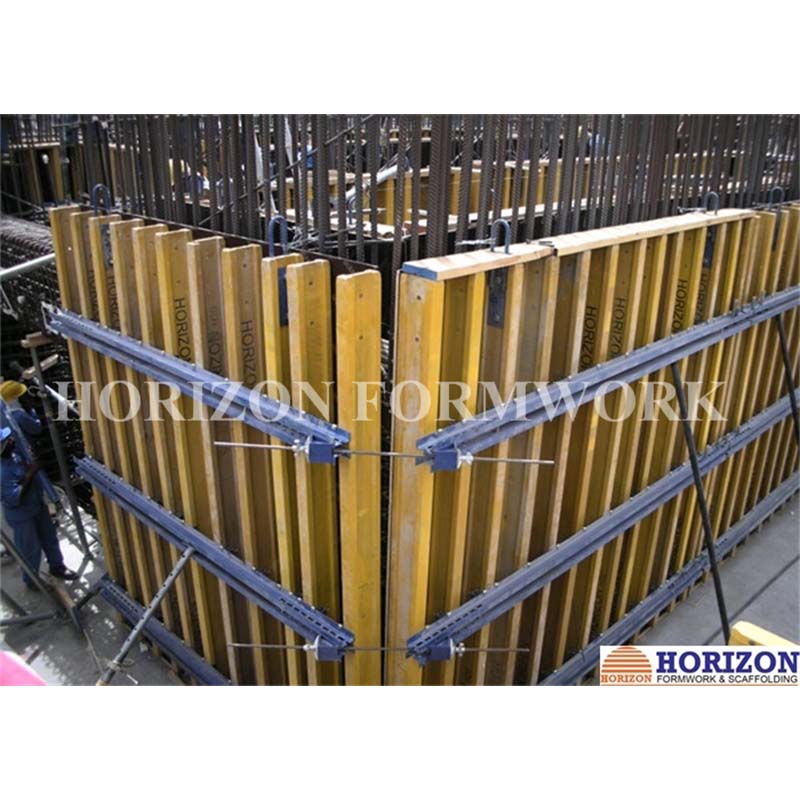
While standardized wall formwork systems are highly efficient for typical rectangular structures, many modern architectural and engineering projects demand bespoke solutions. This is where oem wall formwork system capabilities become indispensable. OEM (Original Equipment Manufacturer) formwork providers specialize in designing and manufacturing custom formwork tailored to unique project specifications.
Customization extends to several critical areas:
- Complex Geometries: For structures requiring intricate shapes, such as architectural facades, specific bridge piers, or aesthetic elements, oem flexible wall formwork and oem curved wall formwork can be engineered. This involves specialized fabrication techniques, including advanced CNC machining and custom bending, to achieve perfect radii or non-linear surfaces.
- High-Strength or Special Concrete: When working with high-performance concrete or self-compacting concrete, the formwork needs to withstand higher pressures and ensure zero leakage. Oem concrete wall formwork can be designed with reinforced frames and specialized sealing mechanisms to handle these specific material properties, guaranteeing an immaculate finish.
- Integrated Features: Custom solutions can incorporate elements like integrated lifting points, climbing mechanisms, anchor systems, or even heating/cooling elements for specific concrete curing requirements, optimizing on-site operations.
- Project-Specific Modularity: Instead of off-the-shelf sizes, oem wall formworks can be designed with panel dimensions and modularity specifically optimized for a project's repetitive elements, significantly accelerating construction and reducing waste.
- Material Optimization: OEM providers can select optimal materials (e.g., specific steel grades, aluminum alloys, or composite facing panels) to meet specific durability, weight, and reusability targets, often leading to better long-term value.
The process typically involves close collaboration between the client's engineering team and the OEM formwork designer, leveraging CAD/CAM technologies and finite element analysis (FEA) to ensure structural integrity and functional performance. This collaborative approach ensures that the resulting formwork is perfectly aligned with project goals, delivering precision and efficiency where standard systems fall short.
Proven Performance: Real-World Wall Formwork Case Studies
The efficacy of advanced wall formwork systems is best demonstrated through their application in significant construction projects. These case studies highlight not only the technical capabilities but also the practical benefits in terms of efficiency, quality, and safety.
Case Study 1: High-Rise Residential Tower, Urban Core
Project Scope: Construction of a 50-story residential tower with a reinforced concrete core and perimeter shear walls.
Challenge: Achieve rapid floor-to-floor cycles while ensuring high-quality concrete finish for directly exposed architectural walls.
Solution: A modular, large-panel wall formwork system with a robust steel frame and high-grade phenolic-faced plywood was deployed. The system included integrated climbing mechanisms and safety platforms. This allowed for repetitive, precise casting of the core and external walls.
Outcome: The project achieved an average pour cycle of 4 days per floor, significantly ahead of schedule. The formwork's reusability (over 250 cycles for steel frames) resulted in substantial material cost savings. The concrete surface finish met stringent architectural standards, minimizing post-treatment work and enhancing project aesthetics.
Case Study 2: Large-Scale Industrial Processing Plant, Coastal Region
Project Scope: Construction of multiple concrete containment walls, machine foundations, and retaining walls for a new chemical processing facility.
Challenge: Aggressive corrosive coastal environment, need for highly durable and crack-free concrete, and tight construction schedule.
Solution: Custom-engineered oem concrete wall formwork with hot-dip galvanized steel frames and specialized non-absorbent composite facing panels was utilized. The formwork was designed to withstand high concrete pressures from complex pours and incorporate integrated ties to minimize penetration points.
Outcome: The formwork's superior corrosion resistance proved vital in the harsh coastal conditions, maintaining its integrity throughout the project. The custom design ensured precision for complex structural elements, resulting in concrete walls with exceptional impermeability and strength, critical for the facility's operational safety and long-term durability. The system contributed to a 15% reduction in concrete repair work post-casting due to the high-quality finish and structural accuracy.
Ensuring Trust and Reliability: Guarantees and Support
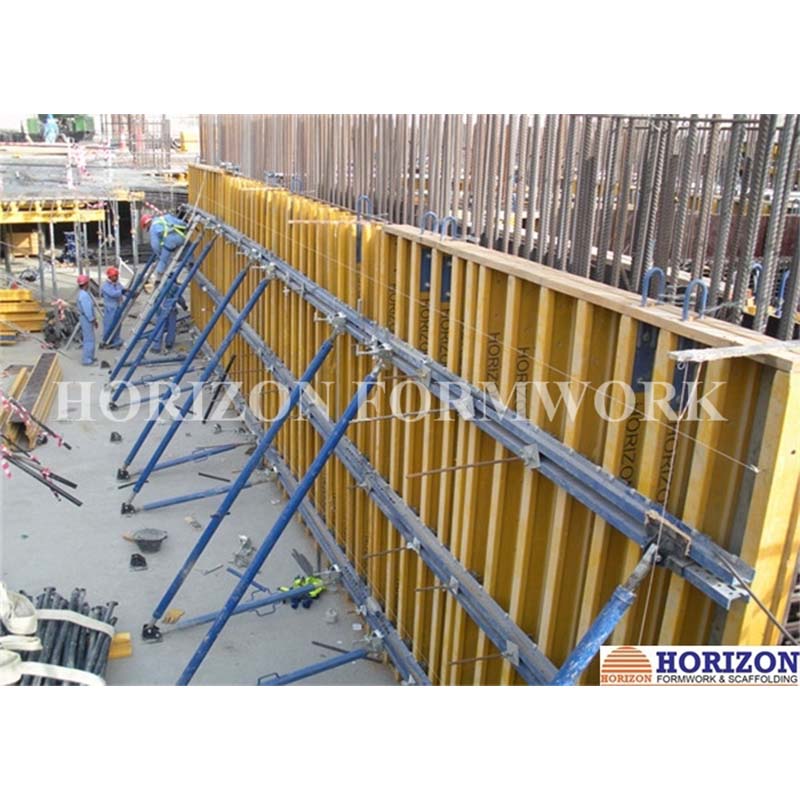
The success of any construction project hinges on reliable partnerships and robust support systems. For wall formwork solutions, commitment to quality, transparent processes, and comprehensive after-sales support are paramount.
Frequently Asked Questions (FAQ)
- Q: What is the typical lead time for a custom wall formwork order?
A: Standard modular systems can be delivered within 2-4 weeks. For custom-engineered solutions, lead times typically range from 6-12 weeks, depending on design complexity and manufacturing capacity. We recommend early engagement for precise scheduling. - Q: What warranty is provided for your wall formwork systems?
A: Our formwork systems typically come with a 1-year warranty against manufacturing defects. Frame components (steel/aluminum) are often guaranteed for a higher number of reuses, reflecting their inherent durability. Specific terms vary by product line and will be detailed in your contract. - Q: Do you offer on-site technical support and training?
A: Yes, we provide comprehensive technical support including design assistance, on-site supervision for initial assembly, and training for your crew on efficient and safe formwork handling and erection. Our engineering team is available for consultation throughout your project. - Q: How do your formwork systems contribute to project sustainability?
A: Our systems emphasize high reusability (reducing waste), use of recyclable materials (steel, aluminum), and optimized designs that reduce concrete consumption and minimize environmental impact. We adhere to ISO 14001 principles in our manufacturing.
Lead Time & Fulfillment
Our streamlined manufacturing processes and robust supply chain ensure timely delivery. For standard wall formwork systems, we maintain a comprehensive inventory of components, enabling rapid fulfillment. Custom orders benefit from dedicated project management, providing clear timelines and regular progress updates. We coordinate closely with clients for logistics and shipping to ensure on-time site delivery.
Warranty & After-Sales Support
We stand behind the quality of our products with industry-standard warranties covering materials and workmanship. Beyond the warranty period, we offer ongoing technical support, spare parts availability, and refurbishment services to maximize the lifespan and return on investment of your formwork systems. Our commitment to client satisfaction extends throughout the entire project lifecycle, ensuring operational continuity and peace of mind. Our facilities are ISO 9001:2015 certified, affirming our dedication to consistent quality.
Conclusion
The evolution of wall formwork represents a cornerstone of modern construction, delivering precision, efficiency, and structural integrity to projects worldwide. From modular steel-framed systems for rapid vertical construction to bespoke OEM solutions for complex geometries, the advancements in materials, manufacturing processes, and digital integration are continuously elevating industry standards. Selecting the right formwork system, backed by reliable manufacturing and comprehensive technical support, is a strategic decision that profoundly impacts project timelines, cost-effectiveness, and the ultimate quality of the built environment. As construction demands grow in scale and complexity, the role of innovative and high-performance wall formwork will only continue to expand, driving progress in sustainable and resilient infrastructure development.
References
- ACI Committee 347. (2014). Guide to Formwork for Concrete (ACI 347R-14). American Concrete Institute.
- CIRIA C703. (2012). Concrete pressure on formwork. Construction Industry Research and Information Association.
- Illingworth, J. R. (2000). Construction Methods and Planning (3rd ed.). Spon Press.
- ISO 9001:2015. (2015). Quality management systems – Requirements. International Organization for Standardization.
-
OEM Pipe Shuttering: Efficient, Durable Solutions for Global Construction
NewsDec.03,2025
-
OEM A-Frame Scaffolding: Durable & Safe Solutions for Global Construction Needs
NewsDec.03,2025
-
OEM Formwork and Scaffolding: Essential Solutions for Global Construction Efficiency
NewsDec.03,2025
-
OEM Quick Industrial Scaffolding: Fast, Safe, and Sustainable Solutions for Modern Industry
NewsDec.02,2025
-
What is OEM Permanent Formwork for Suspended Slabs? Benefits & Global Insights
NewsDec.02,2025
-
OEM Plastic Formworks for Concrete: Durable, Eco-friendly Solutions for Modern Construction
NewsDec.02,2025