Oct . 17, 2025 09:10 Back to list
Column Formwork OEM: Circular, Adjustable, Fast Setup
Column Formwork That Works in the Real World
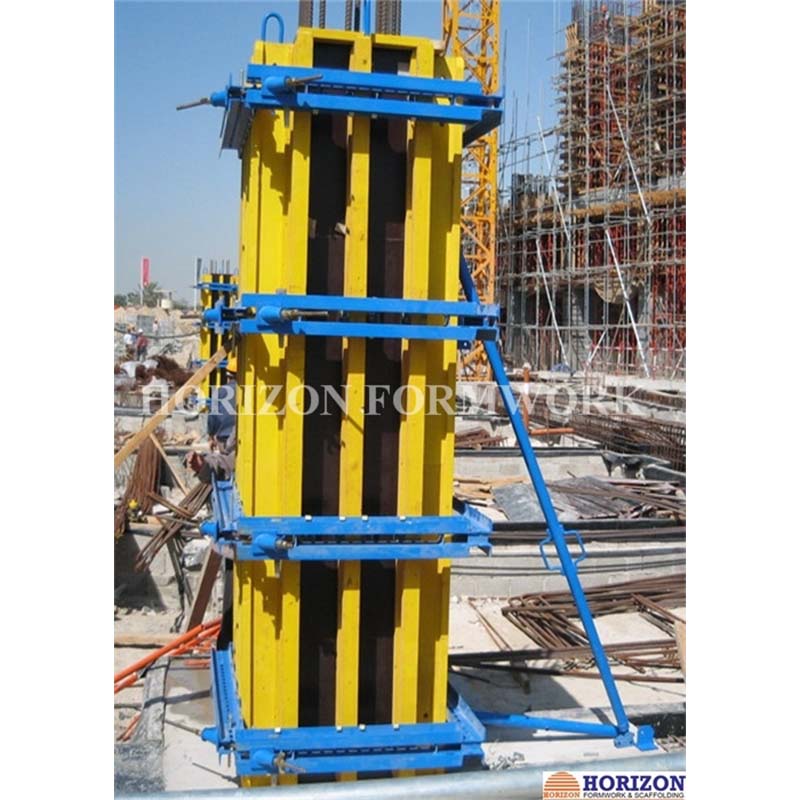
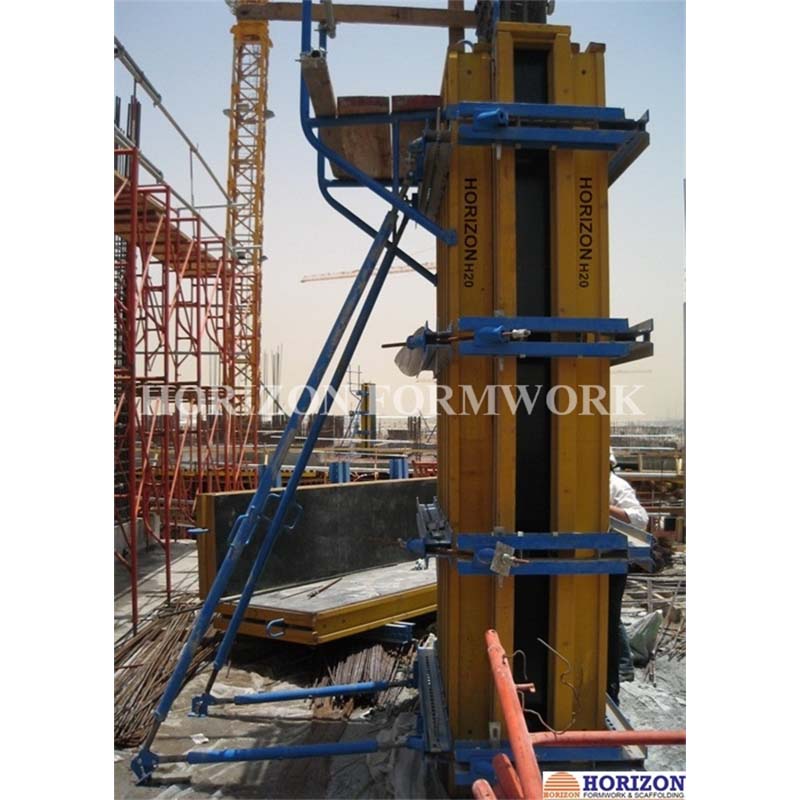
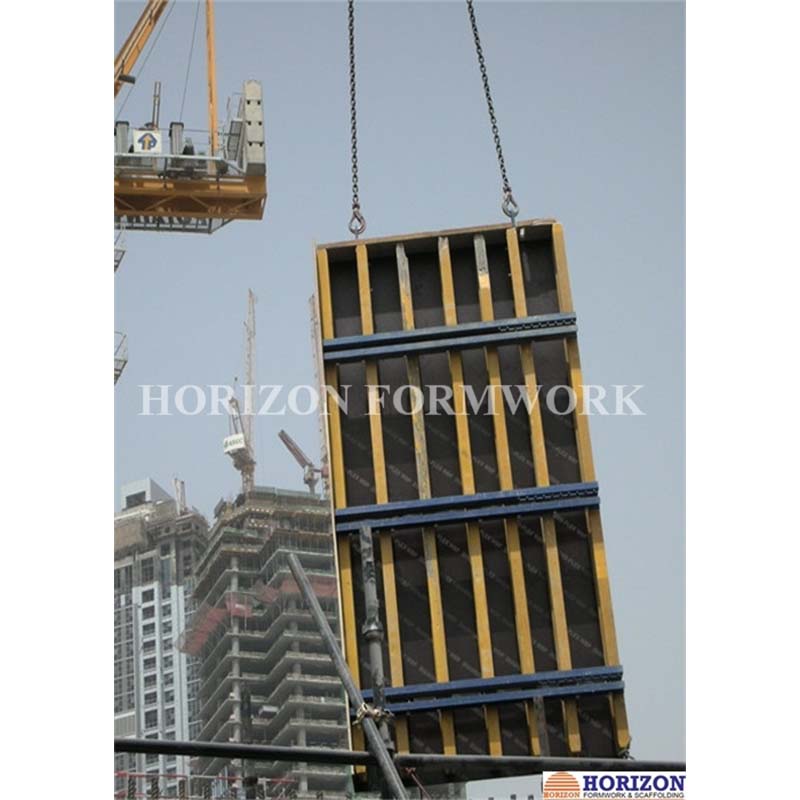
If you pour concrete for a living, you already know the pain of misfit panels and schedule creep. When builders ask me what’s aging well on sites this year, I point them to column formwork systems that are modular, rugged, and not overly precious about being reconfigured mid-project. To be honest, I’ve seen too many “clever” setups slow crews down. This one keeps it simple: H20 timber beams, steel walings, quality plywood, and beam clamps—mix, match, pour, repeat.
What’s moving the market
Three currents are obvious on sites right now: faster cycles, fewer skilled hands, and tighter QA. That’s why crews lean on column formwork modules that reconfigure from square to rectangular (even polygonal) without hunting for special parts. Sustainability is not just a slide deck thing either—reusable H20 beams and FSC-ish plywood options are increasingly a spec line, not a suggestion.
Core components and specs (field-proven)
- Timber beam H20 (≈200 mm depth) with protective end caps
- Steel waling (Q235/Q345) with slotted adjustment
- Birch or poplar plywood, phenolic film-faced, 18–21 mm
- Beam clamps and through-ties; corner chamfers as needed
| Max fresh-concrete pressure | ≈ 80–90 kN/m² (real-world use may vary; see DIN 18218/ACI 347) |
| Compatible cross-sections | Square, rectangular; circular via segmented panels |
| Typical pour rate | ≈ 1.5–2.0 m/h (mix temp + admixtures matter) |
| Service life (indicative) | H20 beams 50–80 reuses; plywood 20–50; walings 10+ years with care |
| Certifications | Factory ISO 9001; CE marking on steel parts where applicable |
Process flow that keeps pours on schedule
- Design & takeoff: section sizes, pour height, predicted pressure (DIN 18218/ACI 347-14).
- Pre-assembly: set H20 grid, fit plywood, position walings; torque clamps.
- Pre-pour QC: plumb check, tie layout, release agent, joint tape inspection.
- Pour: control rate and temperature; monitor deflection (target < 1/400 span).
- Stripping: per EN 13670 guidance; protect arrises with chamfer strips.
- Turnover & maintenance: patch plywood, replace edge seals, dry store.
Where it shines
High-rise cores, parking podiums, bridges/piers, industrial racks—any job with frequent dimension changes benefits from column formwork you can reconfigure in an hour, not a day. Many customers say the finish is surprisingly consistent, even when crews rotate panels aggressively between levels.
Vendor snapshot (quick take)
| Vendor | Origin | Lead time ≈ | Customization | Certs |
|---|---|---|---|---|
| Horizon Form | Hustpark Bldg 4, Zhongxing East St, Xingtai, Hebei, China | 2–5 weeks | Square/rectangular/circular kits; custom walings | ISO 9001; CE on steel |
| Vendor A (regional) | Local warehouse | 1–3 weeks | Standard sizes, limited specials | ISO 9001 |
| Rental Depot | Multiple depots | Immediate (stock) | Fixed modules | Varies |
Customization & options
- Chamfer strips, rebates for embedded plates, circular segments
- Access brackets and working platforms complying with EN 13670
- High-wear plywood faces for exposed architectural column formwork
Case notes and feedback
On a 28-storey mixed-use in Nanjing, crews cycled 44 columns per floor using column formwork at ≈2 m/h pour rate; measured deflection stayed under 4 mm and panels averaged 62 reuses before face replacement. A bridge pier job in Guangxi pushed pressure to ~85 kN/m² without visible blowouts—QC credited clamp spacing at 500 mm. “We spent less time hunting parts,” one foreman told me, “and more time pouring.”
Standards, testing, and QA
Design to ACI 347-14 or EN 13670; verify fresh-concrete pressure per DIN 18218. Factory QA often includes bolt torque audits, plywood bond tests (EN 314-2), and random load checks to 90 kN/m². It seems basic, but keeping panels dry between shifts is what really extends service life.
References
- ACI Committee 347. Guide to Formwork for Concrete (ACI 347-14).
- EN 13670: Execution of Concrete Structures.
- DIN 18218: Fresh concrete pressure on vertical formwork.
- ISO 9001:2015 Quality management systems.
- EN 1992-1-1 (Eurocode 2) Design of Concrete Structures.
-
OEM Pipe Shuttering: Efficient, Durable Solutions for Global Construction
NewsDec.03,2025
-
OEM A-Frame Scaffolding: Durable & Safe Solutions for Global Construction Needs
NewsDec.03,2025
-
OEM Formwork and Scaffolding: Essential Solutions for Global Construction Efficiency
NewsDec.03,2025
-
OEM Quick Industrial Scaffolding: Fast, Safe, and Sustainable Solutions for Modern Industry
NewsDec.02,2025
-
What is OEM Permanent Formwork for Suspended Slabs? Benefits & Global Insights
NewsDec.02,2025
-
OEM Plastic Formworks for Concrete: Durable, Eco-friendly Solutions for Modern Construction
NewsDec.02,2025