Oct . 14, 2025 09:45 Back to list
Timber Beam H20 | Durable, High-Strength Formwork Supplier
Field Notes on Timber Formwork: A Practical Look at timber beam h20
I’ve toured enough job sites to know one thing: simplicity that holds up under pressure wins. That’s why the timber beam h20 keeps showing up on high-rise cores, basements, and fast-track slabs. It’s the economical backbone for wall, column, and slab formwork—especially when layouts get messy or repetitive heights dominate.
What contractors are asking for in 2025
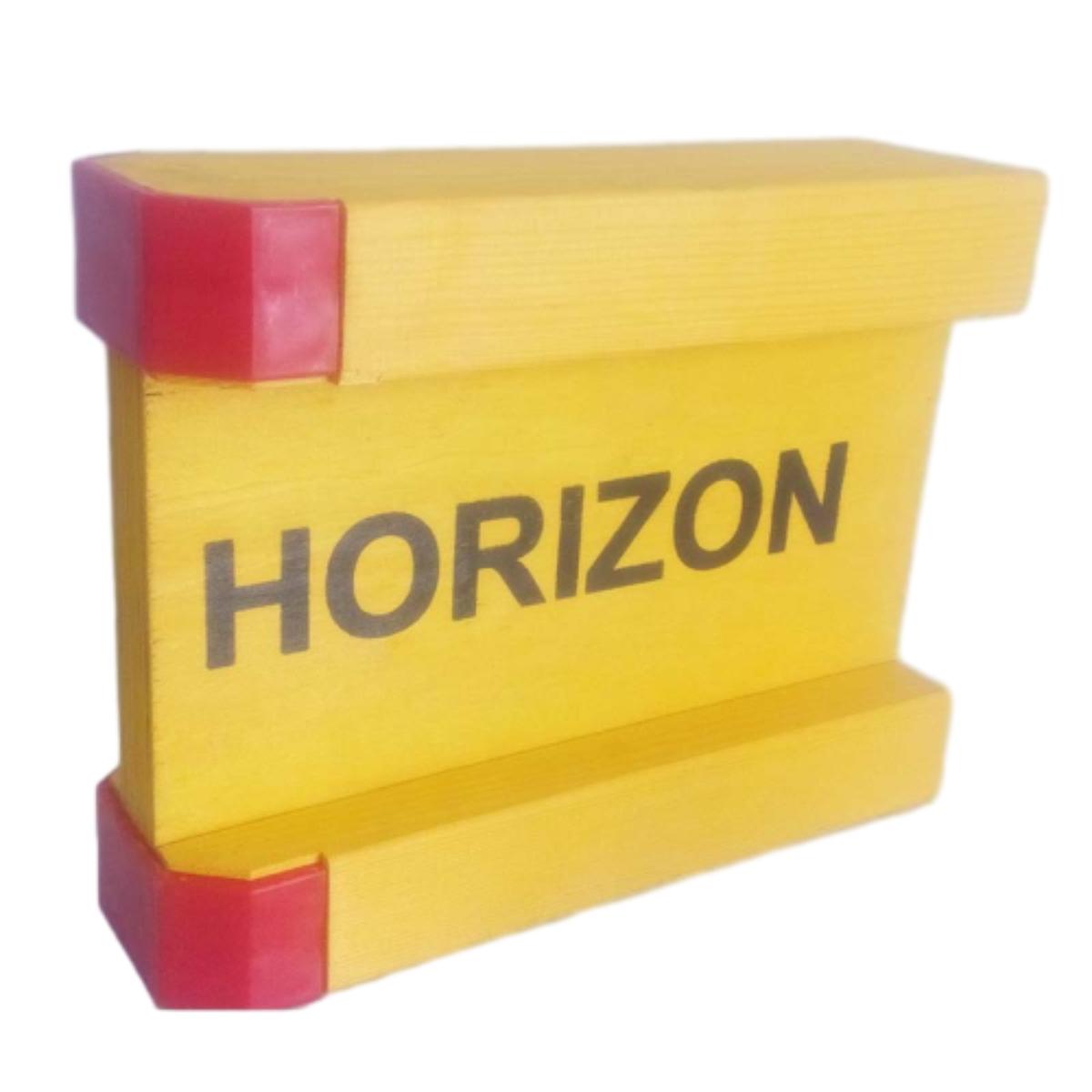
Trends are clear: lighter beams with predictable deflection, cleaner edges for faster stripping, and consistent QC. Many customers say they want “less baby-sitting, more reuses.” In fact, the newest batches of timber beam h20 aim for 60–120 reuse cycles (real-world care is everything), with better web bonding and end-cap protection.
Key specs (typical, may vary by batch)
| Section height | ≈ 200 mm (H20) |
| Flange width / thickness | ≈ 80 mm / 40 mm |
| Web | Plywood or LVL web, water-resistant adhesive |
| Weight | ≈ 4.5–5.0 kg/m |
| Length range | 1.5 m–6.0 m (custom on request) |
| Service life | ≈ 60–120 reuses, depending on handling |
| Origin | Hustpark Building No. 4, Zhongxing East Street, Xingtai, Hebei, China |
Materials, manufacturing, and testing (brief, but real)
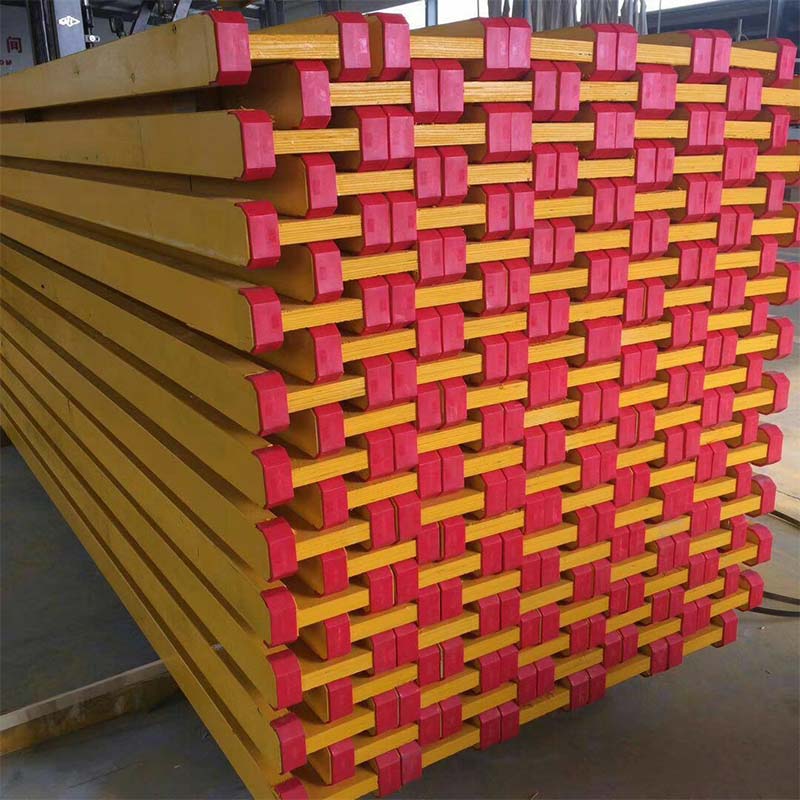
- Materials: kiln-dried spruce/pine flanges; LVL or high-grade plywood web; phenol or MUPF adhesive; sealed ends with caps.
- Process: precision finger-jointing of flanges → adhesive application → web insertion and press curing → edge sealing → dimensional QC.
- Testing: bending moment and shear per EN 13377; MOE check (target ≈ 9,000–10,000 N/mm²); moisture 8–12%.
- Expected performance: M ≈ 5.0 kNm; V ≈ 11 kN; deflection control per Eurocode 5 serviceability rules. Real-world use may vary.
Where it shines
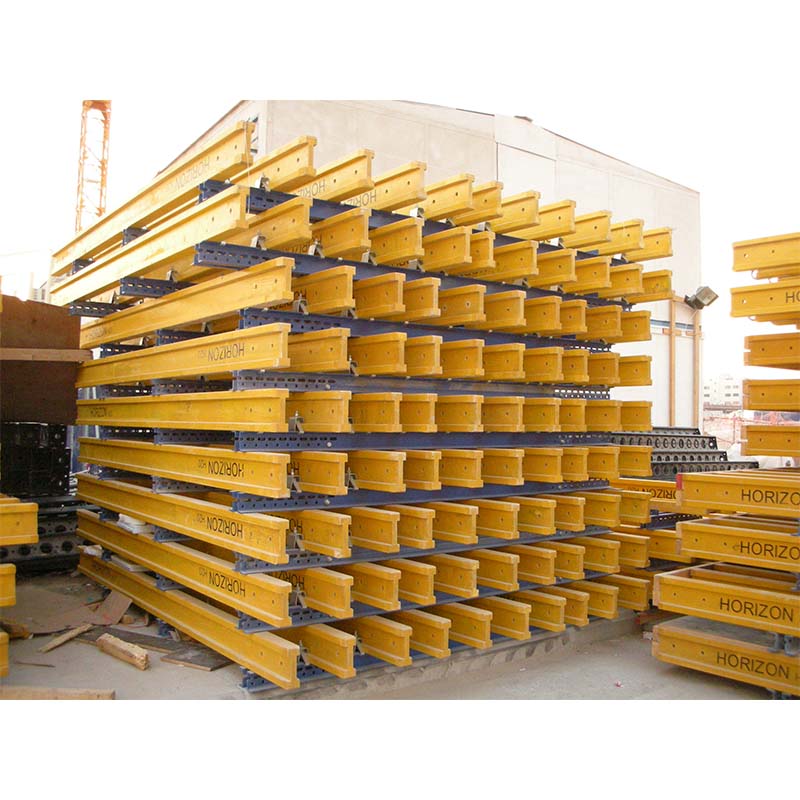
Walls and cores with repetitive lifts, slab tables, transfer slabs with chunky drop panels, and—surprisingly—tight basements where shoring geometry gets awkward. Contractors like that timber beam h20 behaves predictably at 1.5–2.0 m spacing with standard plywood decks.
Customer feedback: “Holds alignment better than our last batch,” one site foreman told me; another noted fewer web fractures after 80+ uses, thanks to gentler stripping and capping.
Vendor snapshot (indicative)
| Vendor | Certifications | Typical capacity | Weight | Customization | Lead time |
|---|---|---|---|---|---|
| Horizon (China) | ISO 9001; EN 13377 tested | M ≈ 5.0 kNm | ≈ 4.8 kg/m | Lengths, branding, caps | ≈ 2–4 weeks |
| EU Brand A | CE; EN 13377 | M ≈ 5.0–5.5 kNm | ≈ 4.6 kg/m | High | ≈ 3–6 weeks |
| Local Mill B | Varies | M ≈ 4.5–5.0 kNm | ≈ 5.0 kg/m | Limited | ≈ 1–3 weeks |
Customization
Branding (ink/emboss), length up to 6 m, end-cap colors by trade, water-repellent coating. For harsh climates, ask for enhanced edge sealing. It seems small, but it pays back in reuse count.
Two quick case notes
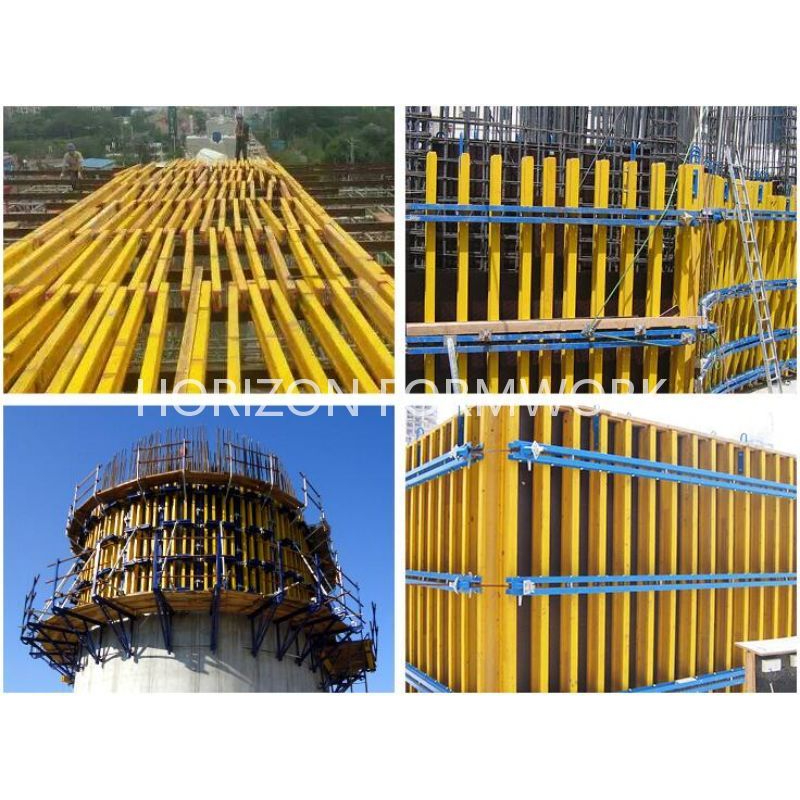
- Basement with complex offsets: timber beam h20 at 1.8 m spacing carried 150 mm slab with balanced deflection; crew liked the low bounce.
- Repetitive tower cores: 90+ reuse cycles recorded (site kept beams dry, stripped carefully, no over-notching). To be honest, site practice made the difference.
Compliance, testing data, and paperwork
- Standards: EN 13377 (formwork beams), EN 1995-1-1 Eurocode 5 (design rules), EN 301 (adhesives), ISO 9001 QMS.
- Typical test results: M ≈ 5.0 kNm; V ≈ 11 kN; MOE ≈ 9,500 N/mm²; moisture 8–12%. Test certificates available per lot.
- Industries served: commercial towers, parking decks, logistics slabs, infrastructure falsework.
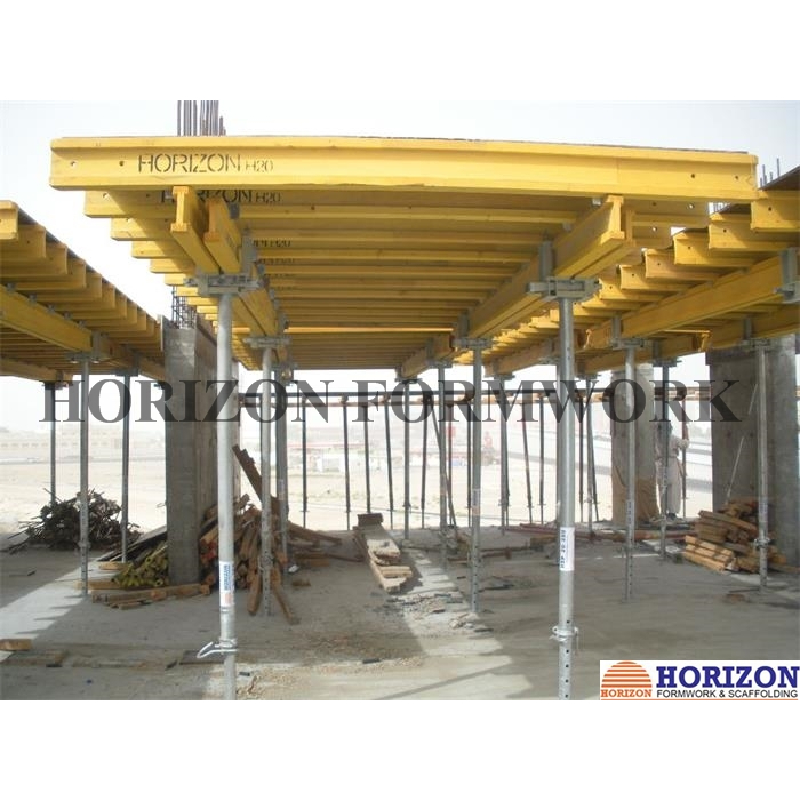
Final thought: if you need a sensible price-to-performance workhorse for walls, columns, and slabs, the timber beam h20 is still the safe bet—especially when logistics and service support are dialed in.
Authoritative references
- EN 13377: Timber formwork beams — Requirements, tests.
- EN 1995-1-1 (Eurocode 5): Design of timber structures — General — Common rules and rules for buildings.
- EN 301: Adhesives, phenolic and aminoplastic, for load-bearing timber structures — Classification and performance.
- ISO 9001:2015 Quality management systems — Requirements.
-
OEM Pipe Shuttering: Efficient, Durable Solutions for Global Construction
NewsDec.03,2025
-
OEM A-Frame Scaffolding: Durable & Safe Solutions for Global Construction Needs
NewsDec.03,2025
-
OEM Formwork and Scaffolding: Essential Solutions for Global Construction Efficiency
NewsDec.03,2025
-
OEM Quick Industrial Scaffolding: Fast, Safe, and Sustainable Solutions for Modern Industry
NewsDec.02,2025
-
What is OEM Permanent Formwork for Suspended Slabs? Benefits & Global Insights
NewsDec.02,2025
-
OEM Plastic Formworks for Concrete: Durable, Eco-friendly Solutions for Modern Construction
NewsDec.02,2025