Sep . 13, 2025 08:20 Back to list
Premium Steel Prop with Tripod & Fork Head for Stable Support
The Pivotal Role of Prop with Tripod Systems in Modern Construction
In the dynamic world of construction and heavy industry, robust and reliable temporary support systems are non-negotiable. Among these, the prop with tripod system stands as a cornerstone, providing essential stability and load-bearing capacity for diverse applications, from shoring formwork to supporting heavy structures during maintenance or construction. This integrated solution, often complemented by a fork head on prop, offers unparalleled versatility and safety, critical for project success and worker protection. Its evolution reflects a continuous drive for efficiency, durability, and adaptability in challenging environments.
Modern construction demands precision, safety, and efficiency. The demand for high-quality temporary support has spurred significant advancements in the design and manufacturing of the prop with tripod, ensuring compliance with stringent international safety standards. These systems are engineered not only to withstand immense vertical loads but also to provide exceptional lateral stability, which is paramount when working at heights or in areas with potential seismic activity or strong winds. Understanding the technical intricacies and application nuances of these systems is vital for B2B decision-makers and engineering professionals aiming for optimal project execution.
Precision Engineering: The Manufacturing Process of a Steel Prop with Tripod
The production of a high-performance steel prop with tripod is a meticulous process, combining advanced metallurgy with precision engineering techniques. This ensures the final product meets the rigorous demands of various construction and industrial applications. The process generally follows several critical stages:
- Material Selection: The foundation of a durable prop begins with high-grade steel. Typically, Q235, Q345 (for structural components), or equivalent carbon steel grades are selected for their excellent yield strength, ultimate tensile strength, and weldability. For specific applications requiring enhanced corrosion resistance, galvanized steel or stainless steel may be employed.
- Cutting and Shaping: Steel tubes, typically ranging from 48mm to 60mm in diameter, are precisely cut to specified lengths using automated CNC cutting machines, minimizing material waste and ensuring dimensional accuracy. The base plates and top plates, along with the components for the tripod and fork head on prop, are similarly cut and punched.
- Forming and Machining: Specialized hydraulic presses and forming equipment shape the steel into the required profiles. This includes the internal and external tubes of the prop, the leg components of the tripod, and the U-shaped or cross-shaped structure of the fork head. CNC machining is crucial for creating precise holes for adjustment pins and threads for fine-tuning mechanisms, ensuring smooth operation and secure locking.
- Welding: Robotic and semi-automatic welding techniques (e.g., MIG/MAG welding) are employed to join components like base plates, top plates, and the structural elements of the tripod. This ensures strong, consistent welds that can withstand significant stress. Weld integrity is verified through visual inspection and, for critical components, non-destructive testing (NDT).
- Surface Treatment: To enhance durability and corrosion resistance, props and tripods undergo surface treatment. Hot-dip galvanization is a common method, providing a thick, robust zinc coating that offers superior protection against rust and abrasive environments, significantly extending the service life of the product. Other options include powder coating or electro-galvanization.
- Assembly and Quality Control: Components are assembled, ensuring all moving parts operate smoothly and securely. This stage includes the insertion of the adjustment pin, the assembly of the inner and outer tubes, and the integration of the tripod and fork head on prop. Each finished prop with tripod undergoes rigorous testing in accordance with international standards such as ISO 9001, EN 1065 (for steel props), and ANSI/ASSP A10.9-2021. Load tests verify maximum capacity, while functional tests ensure ease of adjustment and locking mechanism reliability.
This meticulous process guarantees a service life of many years, often exceeding a decade, even under strenuous conditions, making it a sustainable and economical choice for industries like petrochemical, metallurgy, and water supply & drainage, beyond traditional construction.
Technical Specifications and Performance Metrics of Advanced Prop Systems
Understanding the technical parameters of a steel prop with tripod is crucial for engineers and project managers to select the appropriate system for specific load requirements and environmental conditions. Key specifications dictate performance, safety, and longevity.
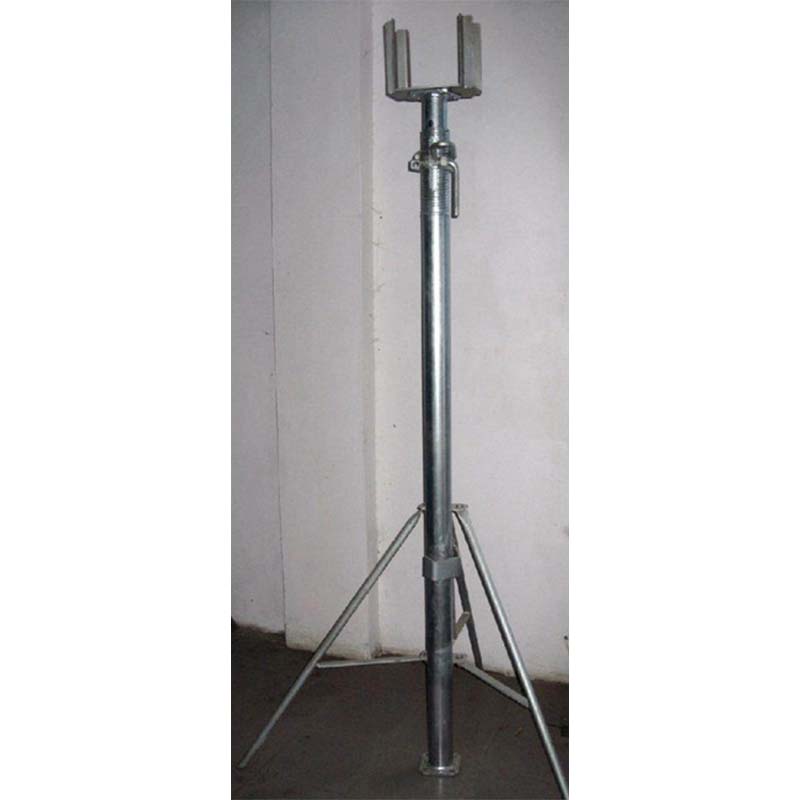
Typical Product Specification Table: Adjustable Steel Prop with Tripod and Fork Head
| Parameter | Specification Range | Details/Standards |
|---|---|---|
| Material | Q235, Q345 Steel | High-grade structural carbon steel, conforming to EN 10025 |
| Outer Tube Diameter | Ø60.3 mm, Ø56 mm, Ø48.3 mm | Common sizes for various load ratings |
| Inner Tube Diameter | Ø48.3 mm, Ø40 mm, Ø34 mm | Corresponds to outer tube for smooth adjustment |
| Wall Thickness | 1.6 mm - 4.0 mm | Varies by load capacity and prop type |
| Adjustable Height | 1.6 m - 5.5 m (various models) | Pin-locking mechanism for incremental adjustment |
| Load Capacity (Safe Working Load) | 15 kN - 40 kN (1.5 - 4.0 tons) | Varies with extension height and prop type, tested to EN 1065 |
| Surface Finish | Hot-dip galvanized, Electro-galvanized, Painted | Corrosion protection, specified per client needs |
| Base Plate Size | 120x120 mm, 150x150 mm | Ensures stable contact area |
| Tripod Weight | 10 kg - 15 kg | Provides stable base for prop erection |
| Fork Head Dimensions | U-head (100x180x50mm), Cross-head (300x300mm) | Designed for various beam/joist types (e.g., H20 timber beams) |
These specifications highlight the robust engineering behind each component. The safe working load (SWL) is a critical parameter, calculated with significant safety factors (typically 2.0 to 3.0) applied to the ultimate load capacity, ensuring reliable performance even under peak conditions. The surface finish, particularly hot-dip galvanization, is a key advantage for corrosion resistance, extending the asset's life in harsh construction environments and reducing maintenance costs.
Versatile Application Scenarios Across Industries
The adaptability of the prop with tripod system, often paired with a fork head on prop, makes it indispensable across a multitude of industries beyond conventional building construction. Its primary function is to provide vertical support, but its integrated stability and adjustability open doors to diverse applications.
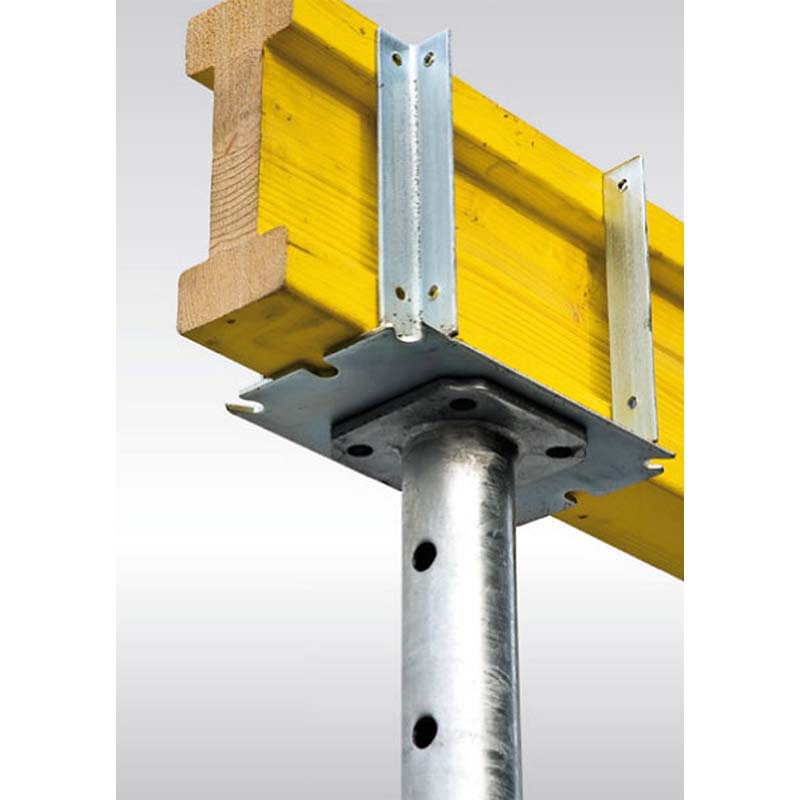
- Building & Civil Construction: This is the most prevalent application. Prop with tripod systems are extensively used for shoring concrete formwork during slab and beam construction. The tripod ensures the prop is held plumb during erection, significantly increasing safety and efficiency. The fork head securely supports timber or steel beams, facilitating precise leveling and uniform load distribution. This significantly reduces labor time and improves the quality of concrete structures.
- Petrochemical Industry: In refineries and chemical plants, these props serve as temporary supports for piping, heavy machinery, or structural elements during maintenance, upgrades, or decommissioning. Their robust construction and corrosion-resistant finishes are vital in environments exposed to corrosive chemicals or extreme temperatures. They contribute to energy saving by enabling efficient, targeted repairs, minimizing plant downtime.
- Metallurgy: Steel mills and foundries utilize props for temporary support during the installation or repair of heavy equipment, furnaces, or overhead crane structures. The high load capacity of a steel prop with tripod manufacturer's product is critical here, ensuring safety when handling massive components.
- Water Supply & Drainage Systems: For infrastructure projects involving large pipelines, treatment plants, or pumping stations, props provide essential support for trenches, cofferdams, or new structural installations. The corrosion resistance of galvanized props is particularly beneficial in damp or chemically active subterranean environments.
- Shipbuilding & Marine Construction: Props are employed in dry docks and shipyards for supporting hull sections, internal structures, or temporary staging during vessel construction or repair, where their robust nature is essential.
In all these scenarios, the inherent stability provided by the tripod and the secure interface offered by the fork head significantly enhance safety, operational efficiency, and overall project economics, demonstrating clear advantages in terms of energy saving through reusability and reduced material waste, and corrosion resistance for long-term reliability.
Technical Advantages and Innovative Design Features
The modern prop with tripod system is a product of continuous innovation, addressing the evolving demands of construction and industrial support. Its technical advantages stem from thoughtful design and material science.
- Superior Stability and Load Distribution: The integrated tripod provides a broad, stable base, significantly reducing the risk of tipping or displacement compared to standalone props. This enhanced stability is crucial during prop erection and while under load, especially when supporting elevated structures. The fork head, whether a U-head or cross-head, effectively cradles beams, ensuring the load is distributed evenly across the prop's axis, preventing localized stress points and structural damage.
- Exceptional Adjustability and Precision: Modern props feature fine-tuning mechanisms, often with precision-machined threads and heavy-duty pins, allowing for incremental height adjustments. This capability is vital for achieving exact leveling of formwork or structural components, directly impacting the quality and dimensional accuracy of the finished construction. The ease of adjustment contributes to faster setup times and reduced labor costs.
- Enhanced Corrosion Resistance: As supplied by leading prop with fork head manufacturers, surface treatments like hot-dip galvanization offer unparalleled protection against rust and environmental degradation. This not only extends the product's lifespan but also maintains its structural integrity and aesthetic appeal in harsh outdoor or corrosive industrial environments, offering significant long-term value.
- Robust Material Composition: Utilizing high-strength steel grades like Q235 and Q345 ensures that the props can withstand significant compressive forces without buckling. The material selection is critical to meet safety factors mandated by international standards, giving engineers confidence in the system's performance.
- Safety-Oriented Design: Features like anti-slip tripod feet, secure locking pins, and reinforced base/top plates are standard. The design minimizes pinch points and ensures user safety during assembly, adjustment, and dismantling. Compliance with safety standards like EN 1065 is a testament to this commitment.
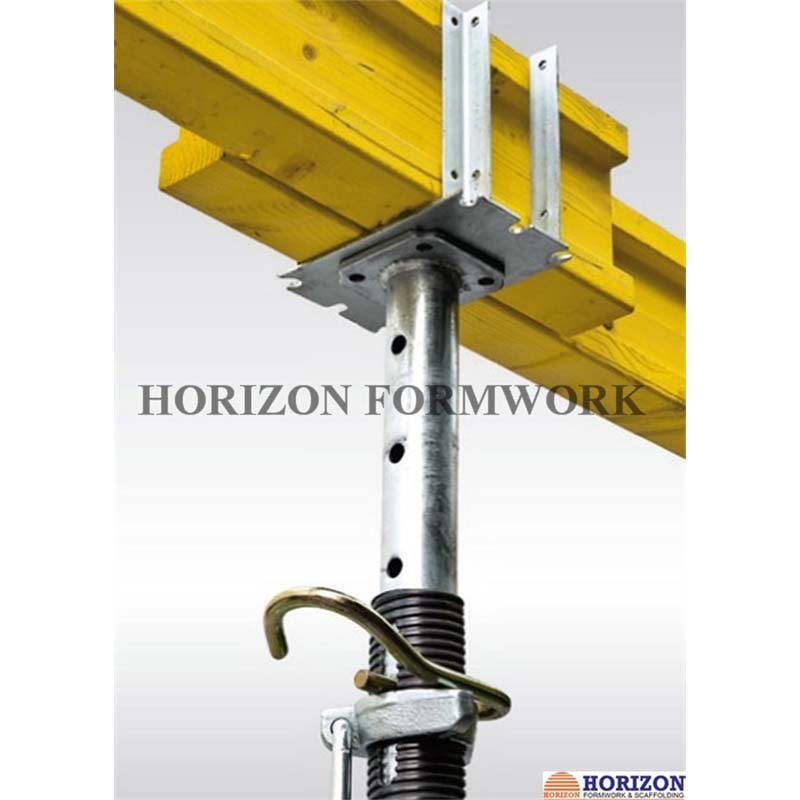
These technical advantages collectively contribute to a safer, more efficient, and cost-effective temporary support solution. The ability to reuse galvanized props across multiple projects also aligns with sustainable construction practices, reducing material consumption and environmental impact.
Vendor Comparison and Selection Criteria for Prop with Tripod Systems
Selecting the right supplier for prop with tripod and fork head on prop systems is a strategic decision that impacts project timelines, safety, and budget. B2B buyers must evaluate potential vendors based on a comprehensive set of criteria.
Key Factors for Vendor Evaluation:
- Product Quality and Certifications: Prioritize suppliers whose products meet or exceed international standards like EN 1065, ISO 9001, and CE certification. These certifications are benchmarks for quality, safety, and manufacturing consistency.
- Manufacturing Capabilities: Assess if the steel prop with tripod manufacturer has robust production facilities, utilizing advanced techniques like robotic welding and CNC machining, which indicate consistent quality and efficiency.
- Customization Options: For specialized projects, the ability to offer customized lengths, load capacities, or unique fork head designs is a significant advantage. A flexible prop with fork head manufacturer can better cater to specific project needs.
- Lead Times and Logistics: Evaluate the vendor's capacity to meet demand, maintain reasonable lead times, and manage global logistics efficiently, especially for large-scale projects or urgent requirements.
- After-Sales Support and Warranty: A reputable vendor provides comprehensive after-sales service, including technical support, parts availability, and clear warranty commitments.
- Reputation and Experience: Longevity in the industry, positive customer feedback, and a portfolio of successful projects are strong indicators of a trustworthy fork head on prop supplier or company.
Prop Manufacturer Comparison Table (Illustrative)
| Feature/Criterion | HorizonForm (Example) | Competitor A | Competitor B |
|---|---|---|---|
| Certifications | ISO 9001, EN 1065, CE | ISO 9001 | ISO 9001, EN 1065 |
| Typical Lead Time (Standard Order) | 3-4 Weeks | 4-6 Weeks | 2-3 Weeks |
| Customization Offerings | Full (Length, Load, Finish) | Limited (Length) | Moderate (Length, Fork Type) |
| Surface Treatment Options | Hot-dip Galv., Electro Galv., Paint | Paint, Electro Galv. | Hot-dip Galv., Paint |
| Warranty Period | 2 Years (Structural) | 1 Year | 18 Months |
| Technical Support | Dedicated Engineering Team | Standard Customer Service | Online Resources |
This illustrative comparison underscores the importance of a detailed assessment, particularly focusing on how a manufacturer’s capabilities align with specific project demands and long-term operational goals.
Customized Solutions and Engineering Partnership
While standard prop with tripod systems meet a wide range of needs, certain projects demand tailored solutions. Leading prop with fork head exporter companies often provide extensive customization capabilities and engineering support to address unique challenges.
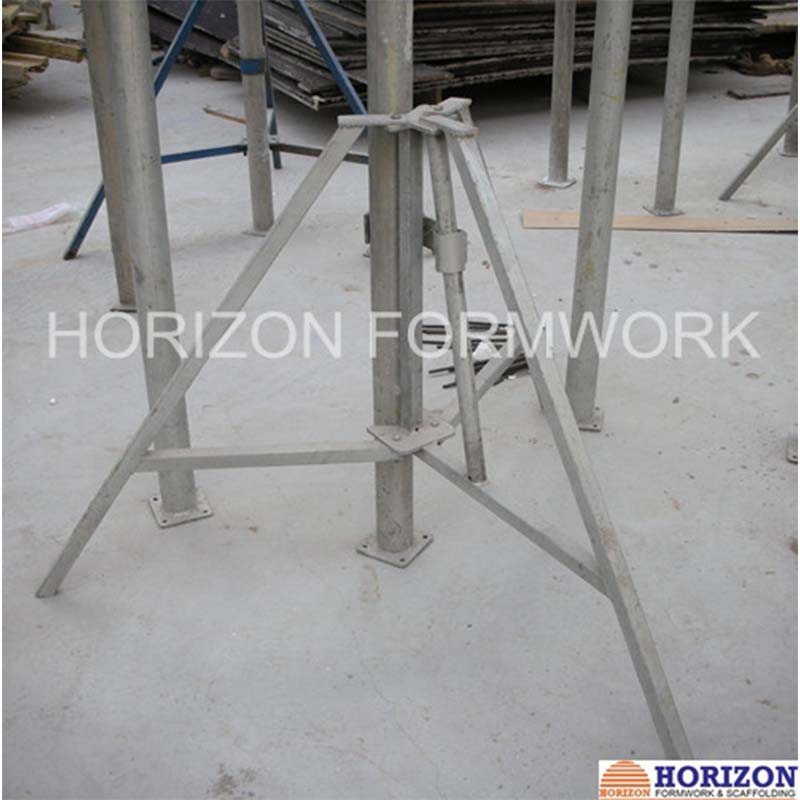
Customization can include:
- Non-Standard Lengths or Load Capacities: For exceptionally high ceilings or extraordinarily heavy loads, specialized props can be designed and manufactured, including twin-prop configurations for even greater capacity.
- Specific Material Grades: Projects in extreme environments (e.g., marine, highly corrosive industrial zones) may require stainless steel or specialized alloys for enhanced durability and corrosion resistance.
- Bespoke Fork Head Designs: To accommodate unconventional beam profiles or integrate with proprietary formwork systems, custom fork heads can be engineered for optimal fit and load transfer.
- Integrated Solutions: Working with a knowledgeable fork head on prop companies allows for the development of fully integrated shoring solutions that combine props, tripods, fork heads, and bracing elements into a cohesive, optimized system.
This partnership approach ensures that the temporary support system is not just a product, but a precisely engineered component of the overall project, delivering maximum safety, efficiency, and cost-effectiveness. The ability to consult with engineers from your prop with fork head companies to refine designs and integrate them into complex project plans is invaluable.
Real-World Application Case Studies
Case Study 1: High-Rise Commercial Building - Central Business District
A major construction firm was tasked with building a 30-story commercial tower with complex slab designs and varying floor-to-ceiling heights. The primary challenge was to ensure rapid formwork erection and dismantling while maintaining stringent safety standards and structural integrity.
- Solution Deployed: Over 5,000 units of heavy-duty steel prop with tripod systems, featuring adjustable heights up to 4.5 meters and a safe working load of 30 kN, were utilized. These were paired with robust U-head fork heads to support H20 timber beams for the concrete slab formwork.
- Results: The stability provided by the tripods significantly reduced erection time by 15%, as props could be quickly plumbed and locked into position. The consistent load distribution minimized concrete deflection, resulting in higher quality finishes. The reusability of the galvanized props across multiple floors led to an estimated 20% reduction in overall shoring material costs and waste.
Case Study 2: Industrial Plant Upgrade - Petrochemical Facility
An engineering contractor needed temporary support for an overhead pipe rack during a critical upgrade at a live petrochemical facility. The environment presented corrosive elements and strict safety protocols.
- Solution Deployed: Custom-designed, hot-dip galvanized prop with fork head systems with extra heavy-duty load capacities (up to 50 kN) and extended heights were supplied by a specialized fork head on prop manufacturer. The fork heads were designed to securely cradle the specific diameter of the large industrial pipes.
- Results: The superior corrosion resistance of the galvanized finish ensured long-term integrity in the aggressive chemical atmosphere. The high load capacity and stability of the custom props provided secure support, allowing technicians to work safely and efficiently. The project was completed on schedule, avoiding costly plant downtime and demonstrating the value of robust, purpose-built support systems.
Ensuring Trustworthiness and Comprehensive Support
Authoritativeness and trustworthiness are paramount in B2B transactions. Reputable manufacturers of prop with tripod systems demonstrate this through certifications, transparent policies, and robust customer support.
Authoritative Endorsements:
- Industry Certifications: Compliance with ISO 9001 (Quality Management System), EN 1065 (European Standard for Steel Props), and CE Marking (European conformity) are non-negotiable for ensuring product safety and quality.
- Years of Service: Companies with decades of experience in manufacturing scaffolding and formwork accessories demonstrate a proven track record and deep industry knowledge.
- Client Partnerships: Collaboration with leading construction firms, engineering companies, and industrial giants across diverse sectors globally, signifies trust and reliability.
Frequently Asked Questions (FAQ)
- Q: What is the typical lead time for a large order of props with tripods?
- A: For standard products, typical lead times range from 3-4 weeks. Customized or very large orders may require 6-8 weeks, depending on complexity and current production schedules. We recommend contacting us for specific project timelines.
- Q: What warranty is offered on your steel props and accessories?
- A: We offer a 2-year warranty against manufacturing defects and structural failures under normal operating conditions. This commitment reflects our confidence in product durability and quality.
- Q: Can your props be used in corrosive environments?
- A: Yes, our hot-dip galvanized props are specifically designed for enhanced corrosion resistance, making them suitable for harsh environments like marine, chemical, and outdoor construction sites. We also offer electro-galvanized or painted options for less severe conditions.
- Q: Do you provide technical support for design and load calculations?
- A: Absolutely. Our dedicated engineering team provides comprehensive technical support, including assistance with load calculations, system design, and product selection to ensure optimal performance and safety for your specific project.
Lead Time & Fulfillment:
Our streamlined manufacturing processes and robust supply chain enable efficient fulfillment of orders, ranging from small batches to large-scale project requirements. We offer flexible shipping options globally, collaborating with trusted logistics partners to ensure timely and secure delivery.
Customer Support:
We are committed to providing exceptional customer service. Our expert team is available to assist with product inquiries, technical specifications, order processing, and after-sales support. We believe in building long-term partnerships based on mutual trust and reliable performance.
Conclusion
The prop with tripod system is more than just a support tool; it is a critical component for safe, efficient, and high-quality construction and industrial operations. From its meticulous manufacturing process and adherence to global standards to its versatile applications and robust technical advantages, it represents a commitment to structural integrity and operational excellence. Choosing a trusted manufacturer and supplier is paramount to leveraging these benefits fully, ensuring projects are completed on time, within budget, and to the highest safety specifications.
References
- European Committee for Standardization. EN 1065: Adjustable telescopic steel props - Product specifications, design and assessment by calculation and tests.
- International Organization for Standardization. ISO 9001: Quality management systems - Requirements.
- American National Standards Institute. ANSI/ASSP A10.9-2021: Safety Requirements for Concrete and Masonry Work.
- ASTM International. A123/A123M: Standard Specification for Zinc (Hot-Dip Galvanized) Coatings on Iron and Steel Products.
- Institution of Civil Engineers. Formwork for Concrete Structures.
-
OEM Pipe Shuttering: Efficient, Durable Solutions for Global Construction
NewsDec.03,2025
-
OEM A-Frame Scaffolding: Durable & Safe Solutions for Global Construction Needs
NewsDec.03,2025
-
OEM Formwork and Scaffolding: Essential Solutions for Global Construction Efficiency
NewsDec.03,2025
-
OEM Quick Industrial Scaffolding: Fast, Safe, and Sustainable Solutions for Modern Industry
NewsDec.02,2025
-
What is OEM Permanent Formwork for Suspended Slabs? Benefits & Global Insights
NewsDec.02,2025
-
OEM Plastic Formworks for Concrete: Durable, Eco-friendly Solutions for Modern Construction
NewsDec.02,2025