Sep . 02, 2025 02:20 Back to list
Heavy Duty Props: EN1065 Certified Shoring & Formwork
Introduction to Heavy-Duty Shoring Systems
In the dynamic world of construction, the integrity and safety of structures during their formation stages are paramount. This is where robust temporary support systems, specifically heavy duty prop systems, become indispensable. Designed to bear significant vertical loads, these props are critical for supporting slab formwork, beams, and other structural elements during concrete curing and until they achieve self-supporting strength. Their application spans across diverse construction projects, from high-rise buildings and bridges to intricate industrial facilities.
The demand for high-performance shoring solutions, such as the `shoring prop`, `acrow prop`, and `formwork prop`, has surged due to increasingly complex architectural designs and accelerated construction timelines. Modern heavy-duty props are engineered for exceptional load-bearing capacity, extended service life, and enhanced safety, differentiating them from conventional light-duty supports. This article delves into the technical intricacies, application versatility, and strategic advantages of these essential construction components.
Industry Trends and Market Dynamics
The global construction industry is witnessing a significant shift towards more efficient, sustainable, and safer shoring solutions. Key trends influencing the market for `steel prop` and `scaffolding prop` include:
- Increased Adoption of High-Strength Materials: There is a growing preference for props made from high-grade steel, offering superior strength-to-weight ratios and extended durability, directly impacting the service life and reusability of shoring equipment.
- Focus on Standardization and Certification: International standards like EN 1065 are becoming benchmarks, ensuring product quality, performance, and safety across different markets. This drives manufacturers to produce `en1065 prop` compliant solutions.
- Digitalization and IoT Integration: The integration of Building Information Modeling (BIM) and IoT sensors for real-time load monitoring is enhancing safety and operational efficiency in complex shoring setups, particularly for `slab formwork prop` applications.
- Emphasis on Ergonomics and Ease of Use: Manufacturers are designing props that are lighter, easier to adjust, and quicker to erect and dismantle, reducing labor costs and improving site productivity.
- Sustainability Initiatives: Demand for products with lower environmental footprints, achieved through efficient manufacturing processes, recycled materials, and extended product lifecycles, is on the rise.
These trends collectively push the envelope for innovation in the `steel acrow prop` sector, ensuring that modern solutions can meet the rigorous demands of contemporary construction.
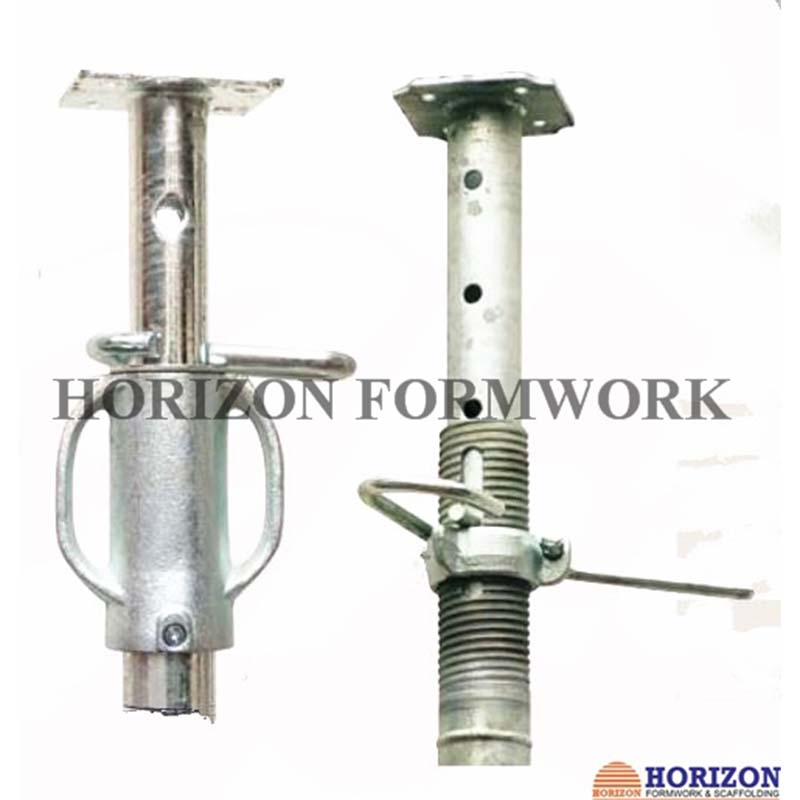
Fig 1: Modern heavy duty prop in action, supporting formwork.
Manufacturing Process Flow of a Heavy-Duty Prop
The production of a high-quality `shoring prop` involves a multi-stage, precision-engineered process to ensure structural integrity and compliance with stringent international standards. Here’s a schematic overview:
1. Material Selection & Cutting
High-tensile steel tubes (EN 10219 S355J0H or equivalent) are selected. Precision CNC cutting ensures accurate lengths for inner and outer tubes.
2. Tube Forming & Punching
Tubes are cold-formed to specified diameters. Outer tubes undergo precision punching for adjustment holes, often using hydraulic presses for consistency.
3. Welding of Components
Base plates, top plates, and adjustment collars (often forged or cast for strength) are robotically welded to the tubes. This ensures uniform, high-strength welds.
6. Packaging & Dispatch
Finished props are bundled and securely packaged for transport, ensuring product integrity upon delivery to construction sites worldwide.
5. Surface Treatment & Coating
Props undergo hot-dip galvanization or powder coating for superior corrosion resistance, extending their service life in harsh construction environments.
4. Quality Control & Testing
Each `heavy duty prop` undergoes rigorous load testing (e.g., against EN 1065 standards), weld inspection, and dimensional checks. ISO 9001 quality management systems ensure consistency.
The materials typically used are high-grade steel, often conforming to EN standards for structural steel (e.g., S235, S275, S355). Manufacturing processes incorporate advanced techniques like robotic welding for consistency and strength, and CNC machining for precision of components like adjustment pins and sleeves. Testing standards rigorously follow international benchmarks such as ISO 9001 for quality management and EN 1065 for specific performance requirements of adjustable telescopic steel props. These meticulous processes ensure a service life often exceeding 10 years, even under intensive use.
Target industries include petrochemical, metallurgy, water supply & drainage, and general civil engineering. In these scenarios, the advantages of a well-manufactured heavy duty prop are evident: enhanced corrosion resistance from galvanization drastically reduces maintenance, contributing to energy saving by extending the product's lifespan and reducing the need for replacement and associated resource consumption.
Technical Specifications and Parameters
Understanding the technical parameters of a `heavy duty prop` is crucial for safe and efficient site operations. These props are engineered to meet specific load-bearing requirements and varying height adjustments. Key specifications often adhere to standards like EN 1065, which classifies props by their nominal maximum working load and other structural characteristics.
Key Specifications Table: Shoring Prop - Heavy Duty (EN 1065 Class D)
| Parameter | Description | Typical Value / Range |
|---|---|---|
| Material | High-strength steel, e.g., S355J0H, EN 10219 compliant | Yield Strength ≥ 355 N/mm² |
| Outer Tube Diameter | External diameter of the main support tube | 60.3 mm (D35) / 76.1 mm (D40) |
| Inner Tube Diameter | External diameter of the adjustable tube | 48.3 mm / 60.3 mm |
| Tube Wall Thickness | Thickness of steel tubing for both inner and outer tubes | 2.9 mm - 4.0 mm |
| Adjustable Height Range | Minimum to maximum working height | Examples: `prop 20-350` (2m-3.5m), `prop 30-350` (3m-3.5m), `prop 3.5m` (up to 3.5m) |
| Load Capacity (EN 1065 Class D) | Permissible Axial Load (kN) at various extensions | From 20 kN (fully extended) to 40 kN (min. extension) |
| Surface Treatment | Corrosion protection method | Hot-dip galvanized (min. 60µm), Painted, or Powder Coated |
| Weight per Prop | Approximate weight of a single unit | 18 kg - 25 kg (depending on size) |
| Compliance Standards | Industry and safety certifications | EN 1065, ISO 9001, CE Certified |
The `heavey duty prop en1065` classification ensures that these props are subjected to rigorous testing, including vertical load tests, eccentric load tests, and durability assessments. This compliance is vital for ensuring the safety and reliability required for demanding construction projects.
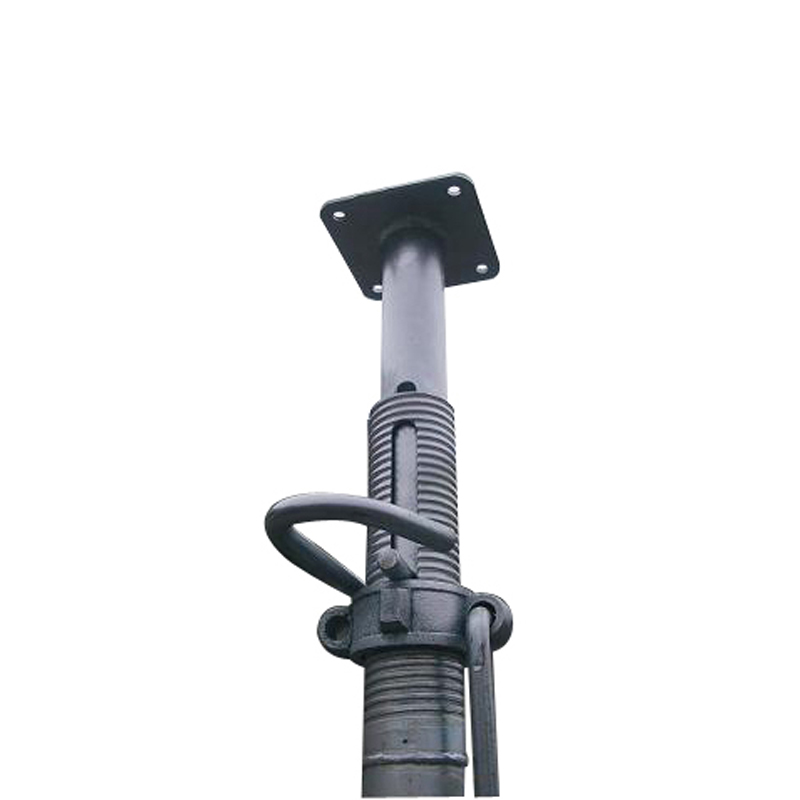
Fig 2: Close-up of a heavy duty prop showcasing robust construction.
Application Scenarios and Versatility
The versatility of the heavy duty prop makes it an indispensable tool across a broad spectrum of construction applications, offering critical temporary support in diverse structural environments.
- Slab Formwork Support: A primary application is providing robust support for `slab formwork` during concrete pouring and curing. These props are arranged in grids to distribute the load evenly, preventing deflection and ensuring the structural integrity of concrete slabs. Solutions like `shoring prop for slab formwork` are specifically designed for this purpose.
- Beam and Lintel Support: They are frequently used to temporarily support concrete beams, lintels, and other horizontal structural elements until they achieve their design strength. Their adjustable nature allows for precise leveling and alignment.
- Reinforcement of Existing Structures: In renovation, demolition, or structural modification projects, heavy duty prop systems provide essential temporary reinforcement to existing walls, ceilings, and beams, maintaining stability while permanent alterations are made.
- Bridge Construction: Large-span bridge projects require massive temporary support for formwork during segment casting. The high load capacity of these props makes them ideal for such demanding applications.
- Industrial Plant Maintenance: In industrial settings like power plants or petrochemical facilities, they are used to support heavy machinery, piping, or structural components during repair, installation, or dismantling operations, often requiring props like `prop d35` for specific load ratings.
- Trench and Excavation Shoring: While less common than dedicated trench boxes, in certain deep excavation scenarios, modified heavy duty prop systems can contribute to horizontal shoring, preventing trench collapse.
Their adaptability to various heights and load conditions, coupled with quick erection and dismantling, positions them as a preferred choice for project managers aiming for efficiency and safety.
Technical Advantages of HorizonForm Heavy-Duty Props
HorizonForm's heavy duty prop offerings stand out due to several distinct technical advantages engineered to enhance performance, safety, and cost-effectiveness on demanding construction sites:
- Superior Load-Bearing Capacity: Engineered with high-grade steel and advanced welding techniques, our props consistently exceed EN 1065 Class D (or higher) standards, offering exceptional axial load capacities even at maximum extension. This reduces the number of props required, optimizing material usage and site logistics.
- Enhanced Corrosion Resistance: Utilizing hot-dip galvanization (min. 60 microns) or high-grade powder coating, our heavy duty prop exhibits exceptional resistance to rust and environmental degradation. This significantly extends product lifespan, reduces maintenance needs, and ensures reliable performance in humid, coastal, or harsh industrial environments.
- Precision Adjustability: Featuring robust G-pins and fine-pitch threads, our props allow for millimeter-level height adjustments. This precision is critical for achieving exact formwork levels, minimizing concrete waste, and ensuring structural accuracy.
- Durability and Longevity: The use of thick-walled tubes and reinforced base/top plates ensures maximum resistance to bending, crushing, and impact damage, leading to a projected service life of 10+ years with proper care. This makes them a sustainable and economical choice for long-term project cycles.
- Safety Features: Designed with anti-release pins and secure locking mechanisms, our `acrow prop` variants prevent accidental slippage under load, significantly enhancing worker safety on site. The clearly marked safe working load (SWL) values guide correct usage.
- Interchangeability and Compatibility: HorizonForm props are designed for seamless integration with a wide range of existing formwork and scaffolding systems, providing flexibility and reducing the need for proprietary accessories.
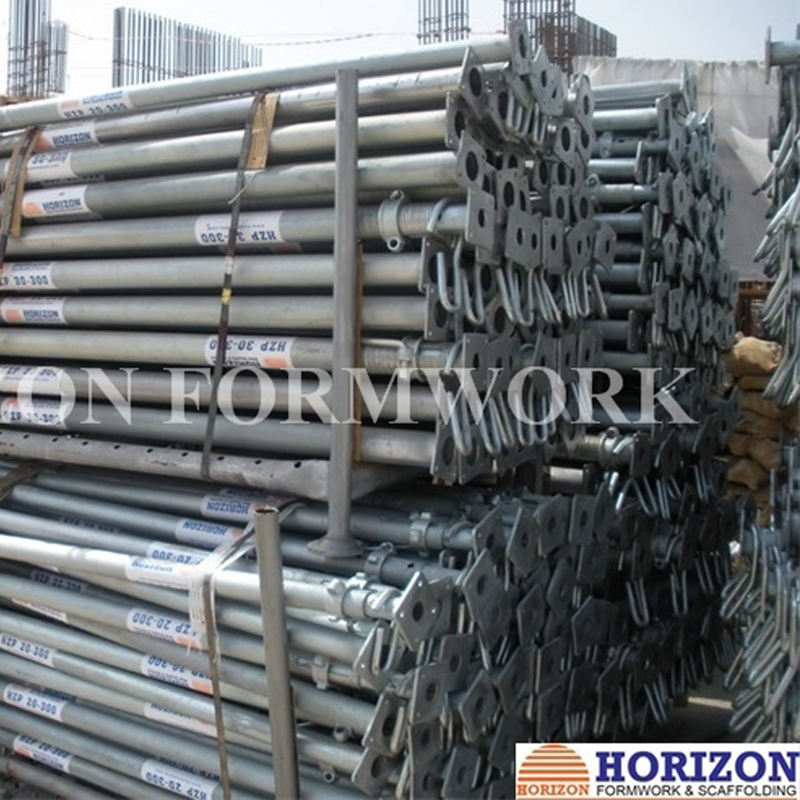
Fig 3: A fleet of heavy duty props ready for deployment.
Vendor Comparison: HorizonForm vs. Competitors
Choosing the right supplier for heavy duty prop solutions is crucial for project success. While many vendors offer shoring props, key differentiators lie in quality, compliance, and service. Below is a comparative analysis based on critical performance metrics.
Heavy-Duty Prop Comparison Table (Typical Class D, 3.5m Max Extension)
| Feature/Parameter | HorizonForm (e.g., Prop 20-350) | Competitor A (Standard) | Competitor B (Budget) |
|---|---|---|---|
| Load Capacity (Min Ext.) | 40 kN (EN 1065 Class D) | 35 kN (EN 1065 Class C) | 30 kN (Manufacturer's Rating) |
| Load Capacity (Max Ext.) | 20 kN (EN 1065 Class D) | 15 kN (EN 1065 Class C) | 12 kN (Manufacturer's Rating) |
| Outer Tube Diameter (Prop D35) | 60.3 mm (3.6 mm wall) | 60.3 mm (3.2 mm wall) | 57.0 mm (2.8 mm wall) |
| Corrosion Protection | Hot-Dip Galvanized (60µm) | Electro-Galvanized (10-15µm) | Painted (Standard Enamel) |
| Compliance/Certifications | EN 1065, ISO 9001, CE | EN 1065 (Some models), ISO 9001 | Internal QA, no external certs |
| Expected Service Life | 10+ Years (with maintenance) | 5-7 Years | 2-4 Years |
| Safety Features | Anti-release pin, clearly marked SWL | Standard pin, basic markings | Basic pin, no clear SWL |
This comparison highlights HorizonForm's commitment to superior material quality, robust construction, and adherence to international safety standards, translating into greater long-term value and reduced risk for clients.
Customized Solutions
Recognizing that every construction project presents unique challenges, HorizonForm offers comprehensive customized solutions for heavy duty prop systems. Our engineering team collaborates closely with clients to develop shoring equipment tailored to specific project requirements, ensuring optimal performance and compliance.
- Non-Standard Heights and Extensions: For projects requiring specialized height ranges beyond standard `prop 20-350` or `prop 30-350` offerings, we can design and manufacture props to precise custom lengths, including custom `prop 3.5m` variants with enhanced capabilities.
- Specific Load Capacity Requirements: Where loads exceed typical EN 1065 Class D ratings, our engineers can reinforce designs and select higher-grade materials to achieve the necessary load-bearing performance.
- Specialized Base/Top Plates: Custom plate designs, including larger areas for softer ground conditions or specialized attachments for unique formwork connections, can be fabricated.
- Environmental Adaptations: For extreme environments (e.g., highly corrosive industrial settings, marine applications), we can apply specialized coatings or utilize specific alloys to ensure maximum corrosion resistance and longevity.
- Branding and Color Matching: Clients can request props with specific branding, color schemes, or unique identifiers for easier inventory management and corporate identity.
Our streamlined design and manufacturing processes ensure that even customized orders are fulfilled efficiently without compromising on quality or adherence to safety standards.
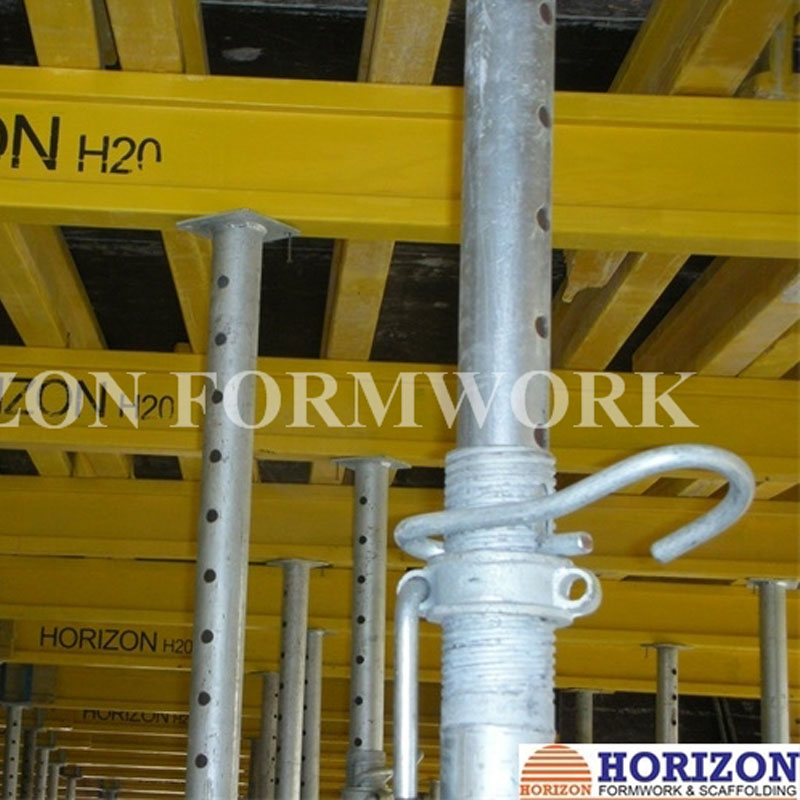
Fig 4: Custom heavy duty prop solutions configured for unique project demands.
Application Case Studies
Real-world applications demonstrate the tangible benefits and reliability of HorizonForm's heavy duty prop systems.
Case Study 1: High-Rise Residential Tower, Dubai
Challenge: Supporting large concrete slabs for a 70-story residential tower with aggressive construction schedules and extreme environmental conditions (high heat, humidity). Required `shoring prop for slab formwork` with high reusability.
Solution: HorizonForm supplied over 5,000 units of galvanized heavy duty prop (EN 1065 Class D, `prop 3.5m`) designed for superior corrosion resistance and high load capacity. Our engineering team provided on-site training for optimal erection and dismantling.
Outcome: The project achieved an accelerated slab cycle time of 4 days per floor. The robust galvanization prevented premature corrosion, ensuring props maintained their load capacity and appearance through multiple reuses over two years, resulting in significant cost savings for the client due to reduced replacement rates.
Case Study 2: Industrial Plant Expansion, Germany
Challenge: Supporting heavy pipe racks and machinery during a complex expansion of a chemical processing plant. The environment demanded exceptional stability and adherence to strict safety protocols.
Solution: We provided custom-engineered `steel prop` systems, including `prop d35` variants, with reinforced base plates and bespoke connecting elements to integrate with the plant's existing modular support structures. All props were thoroughly load-tested and certified.
Outcome: The structural modifications were completed on schedule and without incident. The superior stability of our heavy duty prop minimized deflections, providing a secure working platform and ensuring the precise alignment required for sensitive industrial equipment. The project manager praised the reliability and durability, noting excellent customer feedback from the installation teams.
Trustworthiness and Support
Frequently Asked Questions (FAQ)
Q: What is the primary difference between a standard prop and a heavy duty prop?
A: A heavy duty prop is designed for significantly higher load capacities and often features thicker-walled steel tubes, larger diameters (like `prop d35`), and more robust components, typically conforming to higher EN 1065 classifications (e.g., Class D or E) compared to standard props (Class B or C).
Q: How do I determine the correct load capacity for my project?
A: Load capacity depends on the prop's extension height and its classification (e.g., `en1065 prop`). It is essential to consult the manufacturer's load charts and, ideally, perform structural calculations specific to your project's formwork design and concrete pour loads. Our engineering team can assist with these calculations.
Q: What is the typical lead time for a large order of shoring props?
A: Standard orders of `shoring prop` typically have a lead time of 3-5 weeks, depending on quantity and current production schedules. Custom orders may require an additional 1-2 weeks for design and prototyping. Expedited shipping options are available upon request.
Lead Time & Fulfillment
HorizonForm maintains efficient production lines and robust logistics networks to ensure timely delivery worldwide. For bulk orders of heavy duty prop, typical lead times range from 3 to 6 weeks, subject to product customization requirements and seasonal demand. We utilize advanced inventory management systems to minimize delays and provide real-time tracking for shipments.
Warranty Commitments
All HorizonForm heavy duty prop products come with a comprehensive 2-year warranty against manufacturing defects and material failures under normal operating conditions. This commitment reflects our confidence in the quality and durability of our engineering and manufacturing processes, adhering strictly to standards like ISO 9001.
Customer Support and After-Sales Service
Our dedication to client success extends beyond product delivery. HorizonForm offers extensive after-sales support, including:
- Technical Consultation: Expert advice on prop selection, layout, and load distribution.
- On-Site Training: Instruction for safe and efficient erection, dismantling, and maintenance.
- Spare Parts Availability: Readily available components for repairs and replacements.
- Responsive Support Channels: Dedicated support team accessible via phone, email, and online portal for immediate assistance.
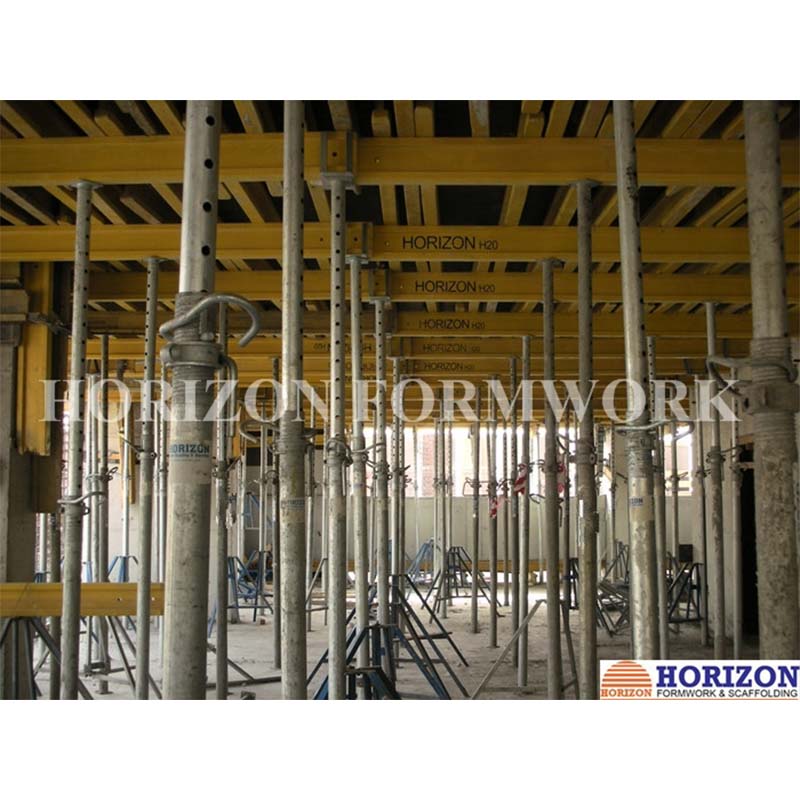
Fig 5: HorizonForm's dedicated customer support team.
Conclusion
The heavy duty prop is more than just a support tool; it is a critical component ensuring the safety, efficiency, and structural integrity of modern construction projects. From the meticulous selection of high-grade steel to advanced manufacturing processes and rigorous testing against international standards like EN 1065, every aspect of its production is geared towards delivering unwavering reliability. HorizonForm's commitment to quality, innovation, and client-centric solutions ensures that our heavy-duty props not only meet but exceed the demanding expectations of the global construction industry. By investing in our superior shoring systems, B2B decision-makers and engineers secure foundational stability for their most ambitious undertakings.
References
- European Committee for Standardization. EN 1065: Adjustable telescopic steel props – Product specifications, design and assessment by calculation and test. CEN, 2010.
- International Organization for Standardization. ISO 9001: Quality management systems – Requirements. ISO, 2015.
- Construction Industry Research and Information Association (CIRIA). Guide to Formwork Design. CIRIA, 2019.
- American Society of Civil Engineers (ASCE). ASCE 37: Design Loads on Structures during Construction. ASCE, 2014.
-
OEM Pipe Shuttering: Efficient, Durable Solutions for Global Construction
NewsDec.03,2025
-
OEM A-Frame Scaffolding: Durable & Safe Solutions for Global Construction Needs
NewsDec.03,2025
-
OEM Formwork and Scaffolding: Essential Solutions for Global Construction Efficiency
NewsDec.03,2025
-
OEM Quick Industrial Scaffolding: Fast, Safe, and Sustainable Solutions for Modern Industry
NewsDec.02,2025
-
What is OEM Permanent Formwork for Suspended Slabs? Benefits & Global Insights
NewsDec.02,2025
-
OEM Plastic Formworks for Concrete: Durable, Eco-friendly Solutions for Modern Construction
NewsDec.02,2025