Sep . 23, 2025 06:40 Back to list
Flex-H20 Slab Formwork - HORIZON | Flexible & Reusable
Introduction
The Flex-H20 Slab Formwork system, developed by HORIZON FORMWORK CO., LTD., represents a significant advancement in construction technology. This innovative formwork solution combines flexibility, durability, and cost-efficiency to address the challenges of complex architectural designs. Whether it's a basement slab, a curved floor plan, or a multi-story building, the Flex-H20 system adapts seamlessly. In this article, we will explore the product's features, advantages, technical specifications, and real-world applications, supported by authoritative references from the National Institute of Standards and Technology (NIST).
Product Description
The Flex-H20 Slab Formwork is a modular system designed to work in conjunction with steel props, tripods, fork heads, and plywood. It provides a flexible and cost-effective slab formwork solution for any floor plan, slab thickness, and storey height. Its key components include the Timber Beam H20, Floor Props, Fork Head H20, Folding Tripod, and Supporting Head. These components are engineered to work together, ensuring stability, ease of assembly, and efficient disassembly.
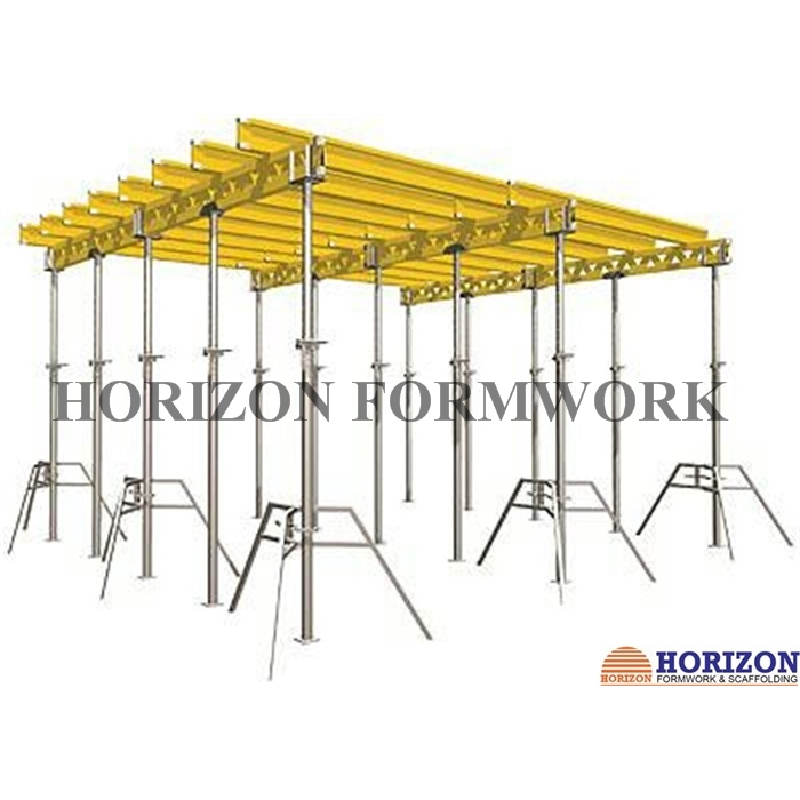
Figure 1: Flex-H20 Slab Formwork in Action
The system's flexibility is achieved through its modular design. For example, the Timber Beam H20 is treated to be waterproof and available in standard dimensions (200mm height, 80mm width, and customizable length). The Floor Props are galvanized for corrosion resistance and come in various lengths (e.g., HZP 20-300, HZP 20-350, etc.). The Folding Tripod simplifies the setup of steel props, even in tight or irregular spaces, while the Fork Head H20 ensures secure connections between components.
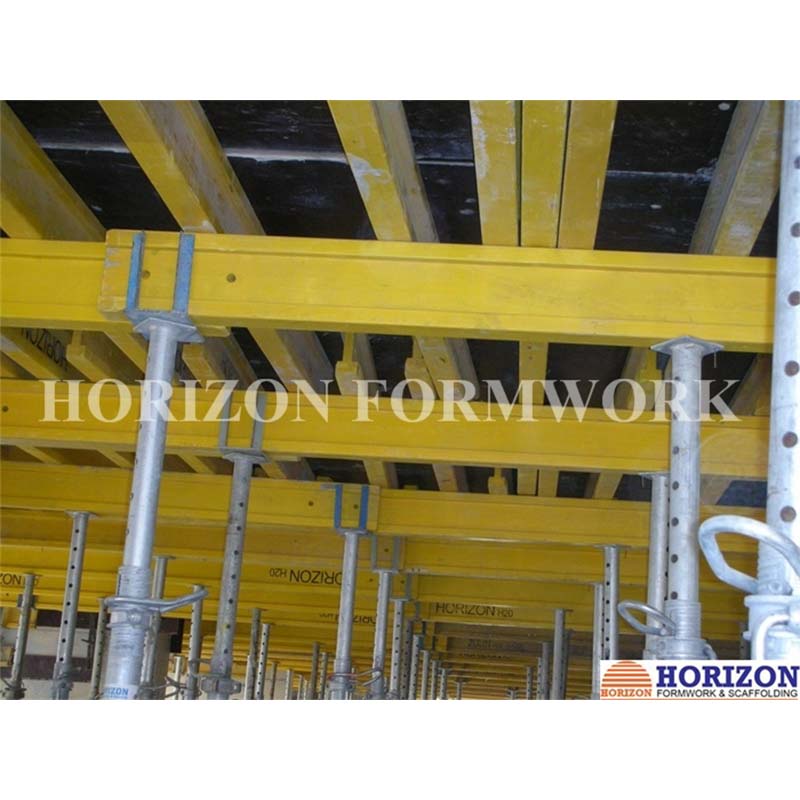
Figure 2: Key Components of Flex-H20 Slab Formwork
Key Advantages
The Flex-H20 Slab Formwork system offers several distinct advantages that make it a preferred choice for construction professionals:
- Speed and Simplicity: With only a few components, the system is easy to assemble and disassemble. The steel prop is secured with a locking pin using a hammer, while the tripod simplifies the setup process.
- Flexibility: The system adapts to various floor layouts, including complex shapes like circular slabs or intricate beam configurations. It also integrates with other shoring systems for different storey heights.
- Safety Features: Perimeter and shaft protection with handrails ensure worker safety during construction.
- Compatibility: The Flex-H20 system is designed to work seamlessly with Euro formwork systems, enhancing its versatility.
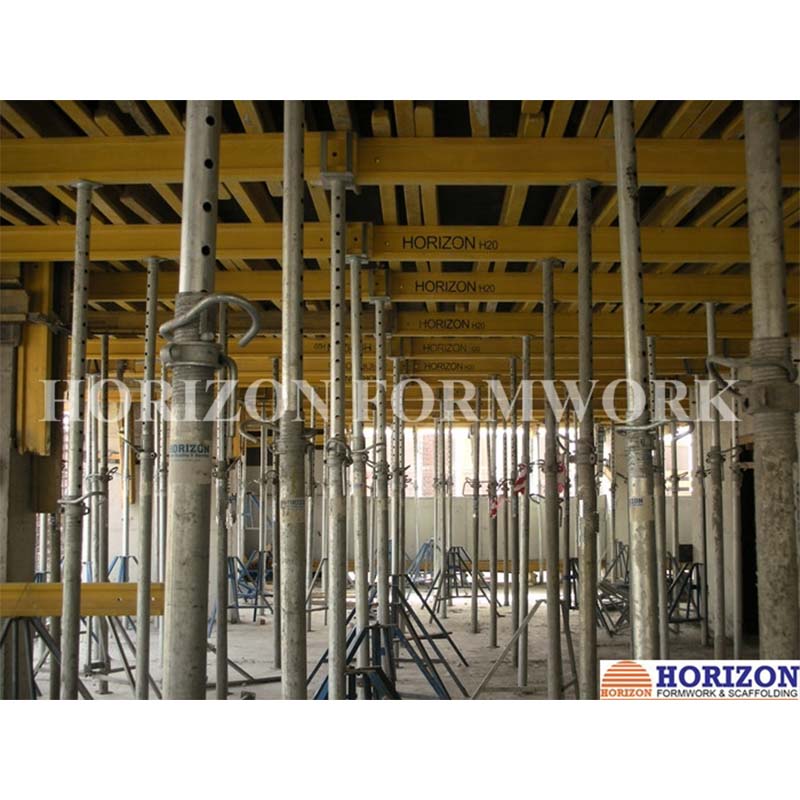
Figure 3: Flex-H20 Slab Formwork in a Complex Floor Plan
According to the National Institute of Standards and Technology (NIST), "modular and adaptable construction systems are critical for improving efficiency and reducing waste in modern building projects." The Flex-H20 system aligns with these principles by minimizing material waste and labor time.
Technical Specifications
The Flex-H20 Slab Formwork system is built to meet rigorous industry standards. Below is a detailed specification table of its core components:
| Component | Diagram / Photo | Specification / Description |
|---|---|---|
| Timber Beam H20 | 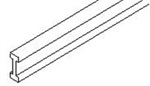 |
Waterproof treated, 200mm height, 80mm width, length as per table size. |
| Floor Props | 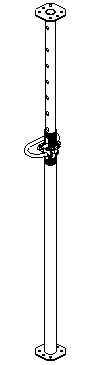 |
Galvanized, available in HZP 20-300 (15.0kg), HZP 20-350 (16.8kg), HZP 30-300 (19.0kg), HZP 30-350 (21.5kg). |
| Fork Head H20 | 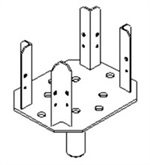 |
Galvanized, 220mm length, 145mm width, 320mm height. |
| Folding Tripod | 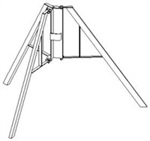 |
Galvanized, 8.5kg/pc, designed for holding floor props. |
| Supporting Head | 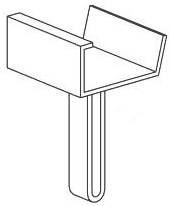 |
0.9kg/pc, facilitates attachment of additional props to the H20 beam. |
Applications and Use Cases
The Flex-H20 Slab Formwork system is ideal for a wide range of construction scenarios, including:
- Basement Slabs: Its adaptability makes it suitable for irregular shapes and tight spaces.
- Complex Floor Plans: The system accommodates circular edges, curved structures, and intricate beam layouts.
- Multi-Story Buildings: When combined with other shoring systems, it supports varying storey heights.
- Industrial and Commercial Projects: The system's durability and reusability make it cost-effective for large-scale projects.
As noted by NIST, "reusable and modular formwork systems can significantly reduce construction costs and environmental impact." The Flex-H20 system exemplifies this by offering a long lifespan and minimal material waste.
Company Background
HORIZON FORMWORK CO., LTD., based in 邢台昊瑞建筑科技有限公司 (Xingtai Haorui Construction Technology Co., Ltd.), is a leading manufacturer of construction materials and formwork solutions. With a focus on innovation and quality, the company has established itself as a trusted partner for architects, engineers, and contractors worldwide. Their commitment to sustainability and efficiency is reflected in products like the Flex-H20 Slab Formwork, which combines cutting-edge design with practical functionality.
Conclusion
The Flex-H20 Slab Formwork system is a testament to the power of innovation in construction technology. Its flexibility, ease of use, and compatibility with existing systems make it a valuable asset for modern construction projects. By leveraging the expertise of HORIZON FORMWORK CO., LTD., the system addresses the evolving needs of the industry while adhering to the principles of sustainability and efficiency. As highlighted by NIST, such advancements are essential for the future of construction.
-
OEM Pipe Shuttering: Efficient, Durable Solutions for Global Construction
NewsDec.03,2025
-
OEM A-Frame Scaffolding: Durable & Safe Solutions for Global Construction Needs
NewsDec.03,2025
-
OEM Formwork and Scaffolding: Essential Solutions for Global Construction Efficiency
NewsDec.03,2025
-
OEM Quick Industrial Scaffolding: Fast, Safe, and Sustainable Solutions for Modern Industry
NewsDec.02,2025
-
What is OEM Permanent Formwork for Suspended Slabs? Benefits & Global Insights
NewsDec.02,2025
-
OEM Plastic Formworks for Concrete: Durable, Eco-friendly Solutions for Modern Construction
NewsDec.02,2025