Sep . 09, 2025 20:40 Back to list
Reusable & Flexible Slab Formwork | OEM Solutions
Industry Trends in Advanced Formwork Systems
The construction industry is continually evolving, driven by demands for increased efficiency, safety, and sustainability. In this landscape, slab formwork systems are undergoing significant advancements, moving away from traditional timber and steel frameworks towards more innovative, modular, and reusable solutions. The global market for construction formwork is projected to reach USD 5.7 billion by 2027, growing at a CAGR of 4.5% from 2020, primarily fueled by rapid urbanization and infrastructure development in emerging economies. Key trends include the adoption of lightweight materials, integrated safety features, and digital planning tools for optimizing formwork layouts.
The push towards reusable slab formwork and flexible slab formwork is particularly strong, as contractors seek to minimize material waste and labor costs. Modern systems, such as the Flex-H20, offer rapid assembly and dismantling, reducing project timelines and increasing site productivity. Furthermore, the demand for horizontal formwork for slab applications that can adapt to varying slab thicknesses and complex architectural designs is driving innovation in adjustable and adaptable components. The integration of advanced materials, such as high-strength aluminum and engineered wood, significantly reduces the overall weight of the formwork, enhancing safety during handling and installation while maintaining structural integrity. Environmental regulations and corporate sustainability goals are also accelerating the transition to more sustainable formwork options, emphasizing durability and recyclability.
Manufacturing Process Flow of Advanced Slab Formwork Systems
The production of high-performance slab formwork systems, such as the Flex-H20, involves a meticulous, multi-stage process designed to ensure durability, precision, and safety. This sophisticated manufacturing chain encompasses material selection, advanced fabrication techniques, stringent quality control, and rigorous testing.
1. Material Sourcing and Preparation:
The foundation of superior formwork lies in its materials. For the Flex-H20 system, primary components include high-grade aluminum alloys for main beams and props, specifically chosen for their exceptional strength-to-weight ratio and corrosion resistance. Engineered wood, often high-density plywood or LVL (Laminated Veneer Lumber), provides the decking surface, selected for its dimensional stability and repeated usability. Steel components, such as connectors and bracing elements, are sourced from certified mills to meet specific tensile strength and yield point requirements. All incoming materials undergo rigorous inspection, including spectroscopic analysis for alloy composition and ultrasonic testing for internal defects.
2. Fabrication Processes:
- Cutting and Shaping: Aluminum profiles and steel sheets are precisely cut using CNC (Computer Numerical Control) laser or plasma cutting machines. This ensures high dimensional accuracy, crucial for the modularity and interchangeability of formwork components. Engineered wood panels are cut to size using automated saws.
- Forming and Bending: Specialized hydraulic presses and bending machines are employed to form components like beam ends, panel edges, and connection elements, ensuring correct geometries and structural integrity.
- Welding and Joining: For steel and aluminum components, advanced welding techniques, including MIG (Metal Inert Gas) and TIG (Tungsten Inert Gas) welding, are utilized. Robotic welding cells are often deployed for repetitive tasks to maintain consistent weld quality and speed. For wood components, high-strength adhesives and mechanical fasteners are used.
- Surface Treatment: Metal components undergo surface treatments such as galvanization (for steel) or anodization (for aluminum) to enhance corrosion resistance and prolong service life. Powder coating may also be applied for additional protection and aesthetic finish. Wood panels receive a phenolic resin coating to improve water resistance and allow for multiple reuses.
3. Assembly and Integration:
Components are carefully assembled, often in jigs and fixtures, to ensure precise alignment and fit. This stage integrates the various parts into complete modules, ready for deployment. For systems like flexible slab formwork, careful calibration ensures that adjustable mechanisms operate smoothly and securely.
4. Quality Control and Testing Standards:
Throughout the manufacturing process, strict quality control protocols are implemented. Finished components and assembled modules are subjected to a battery of tests:
- Dimensional Accuracy: CMM (Coordinate Measuring Machine) inspections verify critical dimensions and tolerances against design specifications.
- Load Bearing Capacity: Destructive and non-destructive testing (NDT) methods, including static load tests and fatigue tests, confirm the formwork’s ability to safely support concrete loads and withstand repeated cycles of use. These tests often adhere to international standards such as EN 12812 for formwork performance and safety.
- Material Integrity: Regular checks for material hardness, tensile strength, and impact resistance ensure compliance with engineering specifications.
- Corrosion Resistance: Salt spray tests are conducted on treated metal components to evaluate their resistance to environmental degradation, crucial for extending service life in harsh construction environments.
All processes conform to international quality management standards, including ISO 9001, ensuring consistent product quality. The service life of properly maintained modular reusable slab formwork systems can exceed 100 cycles of use, offering significant long-term cost savings.
Target Industries and Application Advantages:
These advanced formwork concrete slab systems are indispensable across a wide range of target industries, including:
- High-Rise Construction: For pouring suspended concrete slabs in residential and commercial towers, where speed and precision are paramount.
- Infrastructure Projects: Bridges, tunnels, and elevated highways utilize robust oem suspended concrete slab formwork for large-scale concrete pours.
- Industrial Facilities: Petrochemical plants, metallurgy complexes, and power generation facilities benefit from durable, corrosion-resistant formwork that can withstand challenging site conditions.
- Water Supply & Drainage: Formwork is critical for concrete structures in water treatment plants, reservoirs, and drainage channels, requiring high structural integrity and resistance to moisture.
In these scenarios, advantages such as energy saving (due to reduced material handling and faster project completion), superior corrosion resistance, and enhanced safety through simplified assembly are demonstrably evident. The Flex-H20 system, for instance, significantly reduces concrete waste by ensuring precise slab dimensions, contributing to overall project sustainability.
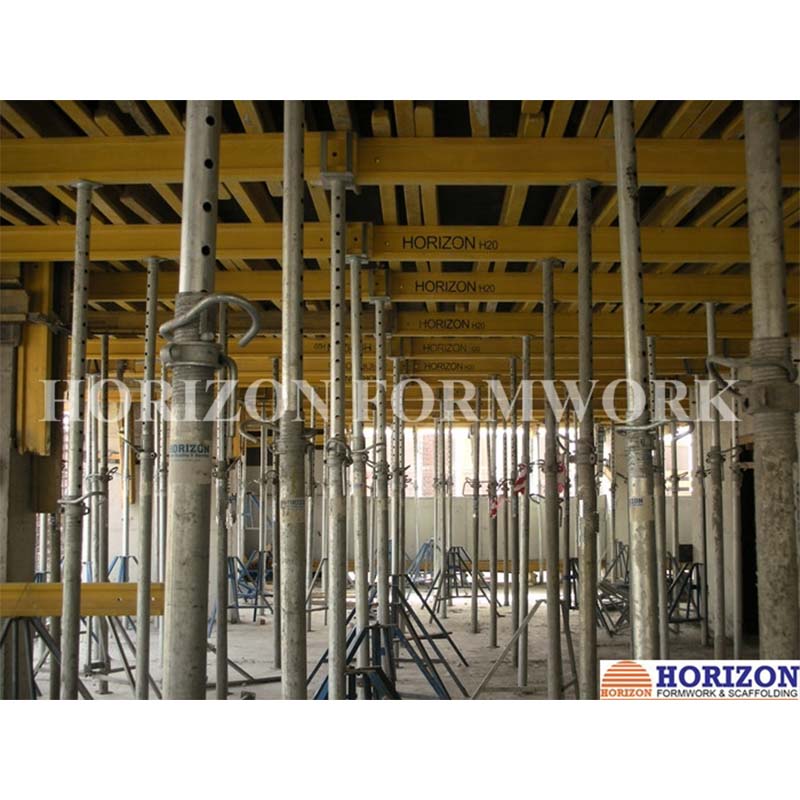
Technical Specifications and Parameters of Flex-H20 Slab Formwork
The Flex-H20 slab formwork system is engineered for superior performance in various concrete slab applications. Its design focuses on maximizing efficiency, reducing labor, and ensuring robust structural support for fresh concrete pours. The system comprises primary components such as aluminum main beams, secondary beams, engineered timber H20 beams, galvanized steel props, and high-quality plywood or plastic panels.
Below are key technical parameters that define the capabilities and structural integrity of the Flex-H20 system, underscoring its expertise in supporting demanding construction projects. Understanding these specifications is crucial for project managers and engineers in planning and execution phases, ensuring optimal material utilization and adherence to safety standards. The system's modularity also allows for efficient use as oem horizontal formwork for slab projects, providing versatility across different construction types.
Flex-H20 Slab Formwork System Specifications:
| Parameter | Specification | Description/Benefit |
|---|---|---|
| Main Beam Material | High-strength Aluminum Alloy (6061-T6) | Lightweight, corrosion-resistant, high load capacity. |
| Secondary Beam Material | Engineered Timber H20 Beam (EN 13377 certified) | Excellent stiffness, high reuse rate, compatible with various decking. |
| Props/Shuttering Support | Galvanized Steel Props (EN 1065 Class B/D/E) | Adjustable height, high individual load capacity (up to 30kN), corrosion protection. |
| Decking Options | Phenolic-coated Plywood (18mm/21mm), Plastic Formwork Panels | Smooth concrete finish, multiple reuses, easy cleaning. |
| Max Slab Thickness Supported | Up to 600mm (with appropriate beam spacing) | Versatile for various structural requirements. |
| System Weight (avg.) | Approx. 25-35 kg/m² (depending on configuration) | Reduced labor for handling, faster installation. |
| Load Capacity | Up to 7.5 kN/m² (design dependent) | Robust support for significant concrete loads. |
| Reuse Cycles | 100+ for metal components, 20-50 for plywood decking | Excellent ROI, reduced material consumption. |
These specifications highlight the system's compliance with stringent international standards, offering a reliable solution for oem formwork concrete slab and oem flat slab formwork projects. The adaptability of the Flex-H20 system to various design constraints and load requirements positions it as a leading choice for modern construction.
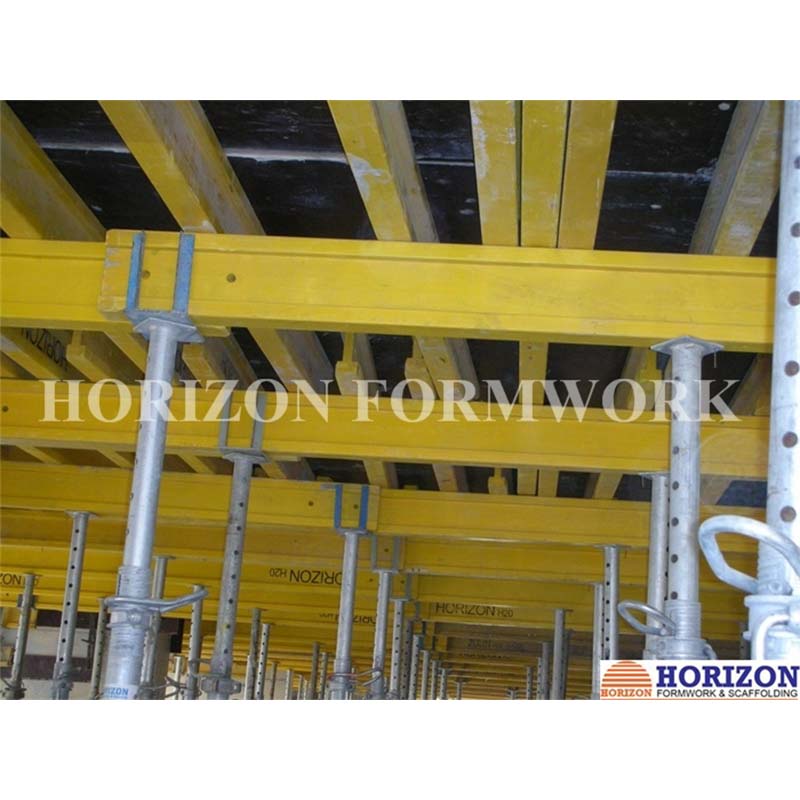
Versatile Application Scenarios for Advanced Slab Formwork
Modern slab formwork systems are designed for unparalleled versatility, adapting to the complex demands of contemporary construction. Their modular nature and robust design enable their deployment across a broad spectrum of projects, from high-rise commercial buildings to critical infrastructure developments.
- Residential and Commercial High-Rise Buildings: For multi-story residential complexes and commercial towers, the speed of erection and dismantling of systems like Flex-H20 is crucial. Its ability to create perfectly level and smooth concrete surfaces significantly reduces post-pour finishing work. This is particularly vital for projects requiring efficient floor-to-floor cycling.
- Infrastructure Projects (Bridges, Tunnels, Viaducts): Large-scale infrastructure demands robust and highly reliable horizontal formwork for slab construction. The Flex-H20 system provides the necessary strength for heavily loaded structures and the flexibility to accommodate varying spans and geometries, including complex curved sections often found in bridge decks and tunnel linings.
- Industrial Facilities (Power Plants, Manufacturing Units): In industrial environments, where heavy machinery and high operational loads are expected, concrete slabs require exceptional structural integrity. OEM slab formwork construction systems ensure the precise casting of thick, reinforced concrete slabs capable of withstanding industrial stresses, often incorporating specific channels or embedded elements.
- Parking Structures and Basements: Efficient concrete pouring for large, contiguous slab areas is essential. The Flex-H20 system's rapid assembly and striking capabilities allow for quicker turnaround times in multi-level parking garages and extensive basement foundations, reducing overall project duration. The emphasis on reusable slab shuttering in these projects minimizes waste and maximizes cost-effectiveness.
- Custom Architectural Projects: For unique architectural designs, where aesthetic finish and precise dimensions are paramount, adaptable flexible slab shuttering solutions are indispensable. The system can be configured to achieve diverse slab shapes, edge details, and void formations, catering to bespoke client requirements and complex geometries.
- Renovation and Restoration Projects: Even in existing structures, formwork for new slab additions or repairs requires systems that can integrate seamlessly with older elements. The adjustability of modern formwork allows for precise alignment and support in challenging existing site conditions.
The ability of these systems to deliver consistent quality, combined with their modularity, makes them an invaluable asset for contractors aiming for high performance and efficiency across diverse construction portfolios. Their application extends to ensuring seamless and precise concrete pouring for oem concrete formwork slabs in any demanding construction context.
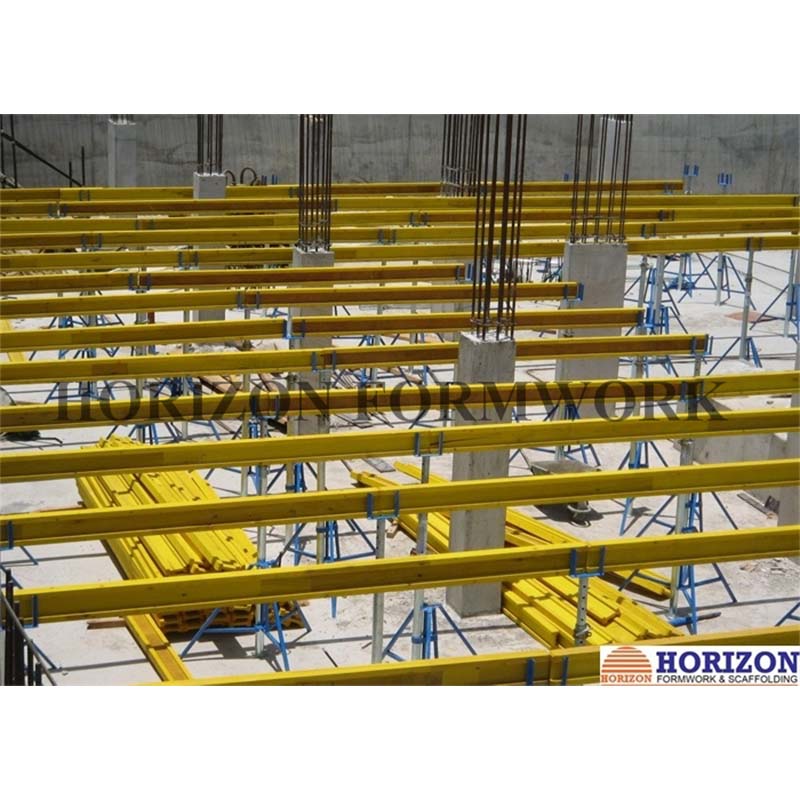
Key Technical Advantages of Flex-H20 Slab Formwork
The Flex-H20 slab formwork system represents a significant leap forward in concrete construction technology, offering a suite of technical advantages that directly translate into operational efficiencies, cost savings, and enhanced project quality. These benefits are critical for B2B decision-makers seeking reliable and high-performing solutions.
- Rapid Assembly and Dismantling: The modular design with lightweight aluminum beams and intuitive connection points drastically reduces installation and striking times. This efficiency minimizes labor costs and accelerates floor-to-floor cycles, directly impacting project timelines and overall delivery. For instance, a skilled crew can erect 20-30 square meters per man-day.
- High Load-Bearing Capacity: Engineered to support substantial concrete loads, the Flex-H20 system ensures structural integrity and safety during the curing process. Its robust components, including certified H20 beams and high-strength steel props, provide reliable support for various slab thicknesses and concrete densities.
- Superior Concrete Finish: The use of high-quality decking materials, such as phenolic-coated plywood or advanced plastic panels, ensures a smooth and consistent concrete surface. This significantly reduces the need for subsequent finishing work, saving time and resources.
- Exceptional Durability and Reusability: Designed for longevity, the Flex-H20 components, particularly the aluminum and galvanized steel elements, offer excellent resistance to corrosion and mechanical wear. This extends the service life to over 100 reuse cycles for metal parts and 20-50 for timber/plywood, providing a high return on investment and aligning with sustainable construction practices for oem reusable slab formwork.
- Enhanced Safety Features: The system incorporates design elements that improve site safety, such as integrated fall protection provisions, secure locking mechanisms for connections, and a reduction in manual lifting due to lightweight components. This minimizes risks associated with formwork erection and striking.
- Flexibility and Adaptability: The modularity and adjustability of the Flex-H20 system allow it to be easily configured for various slab shapes, sizes, and beam layouts. It supports diverse structural designs, including irregular geometries and different slab thicknesses, making it an ideal oem formwork slab solution for complex projects.
- Cost-Effectiveness: While initial investment might be higher than traditional timber systems, the cumulative benefits of reduced labor, faster project completion, high reusability, and minimal waste generation lead to significant long-term cost savings, improving overall project profitability.
These advantages collectively position the Flex-H20 system as a leading choice for modern construction projects demanding efficiency, safety, and economic viability. Its proven performance and adaptability make it a benchmark in contemporary slab shuttering technology.
Vendor Comparison: Flex-H20 Slab Formwork vs. Traditional Systems
Selecting the right slab formwork system is a critical decision that impacts project timelines, budget, and safety. A comparative analysis highlights the distinct advantages of advanced modular systems like Flex-H20 over conventional formwork solutions. The market offers a range of options, from traditional timber to panelized aluminum systems. Understanding the key differentiators is essential for informed procurement decisions.
Comparison Table: Flex-H20 System vs. Traditional Formwork
| Feature | Flex-H20 Slab Formwork (Advanced) | Conventional Timber/Steel Formwork |
|---|---|---|
| Material | Aluminum beams, Engineered H20 timber, Galvanized steel props | Plywood, traditional timber planks, steel tubes |
| Assembly/Dismantling Speed | Very fast (modular, fewer components, lightweight) | Moderate to slow (more manual cutting/fitting, heavy) |
| Labor Requirement | Reduced due to pre-fabricated modules and lighter weight | High, often requiring skilled carpenters for custom fitting |
| Reusability | High (100+ cycles for metal, 20-50 for panels) | Low (5-10 cycles for timber, prone to damage) |
| Concrete Finish Quality | Excellent, smooth surface, minimal remedial work | Variable, often requires significant surface finishing |
| Safety | Enhanced (integrated safety features, less heavy lifting) | Moderate (higher risk of manual handling injuries, less integrated safety) |
| Environmental Impact | Lower waste, high recyclability, sustainable practices | Higher waste, more resource-intensive, lower recyclability |
| Total Project Cost (Long-term) | Lower (due to efficiency, reusability, reduced labor) | Higher (due to ongoing material purchases, labor, waste) |
This comparison clearly demonstrates that while the upfront investment for advanced slab shuttering systems like Flex-H20 might be perceived as higher, the long-term cost efficiencies, enhanced safety, superior finish quality, and environmental benefits provide a compelling case for their adoption. For large-scale or repetitive projects, the economic advantages become even more pronounced, positioning modular systems as the prudent choice for modern construction.
Customized Solutions and OEM Capabilities for Slab Formwork
Beyond standard offerings, modern slab formwork providers understand that construction projects often present unique challenges requiring bespoke solutions. Horizon Form, for example, specializes in offering comprehensive customized solutions and OEM (Original Equipment Manufacturer) services, ensuring that even the most complex or specialized project requirements are met with precision and efficiency.
Tailored Formwork Design:
- Project-Specific Engineering: Our team of experienced engineers works closely with clients to develop formwork plans optimized for specific slab dimensions, load requirements, pour sequences, and site conditions. This includes detailed CAD drawings and 3D modeling for visualization and clash detection.
- Special Geometries and Features: For projects involving non-rectangular slabs, penetrations, step-downs, or integration with pre-cast elements, customized components are designed and fabricated. This includes specialized edge formwork, beam bottom forms, and corner solutions.
- Material Adaptations: While our standard Flex-H20 system uses aluminum and engineered timber, we can explore alternative materials for specific environmental conditions or performance needs, such as high-density plastic panels for enhanced concrete finish or extreme moisture resistance.
OEM Manufacturing Services:
Our OEM capabilities extend to manufacturing oem slab formwork construction components and full systems under client specifications and branding. This service is particularly valuable for large contractors or rental companies looking to integrate high-quality, reliable formwork into their existing fleet or to introduce proprietary systems.
- Design for Manufacturability (DFM): We provide DFM expertise to optimize client-specific designs for efficient and cost-effective production, without compromising performance or safety.
- Scalable Production: Our advanced manufacturing facilities are equipped for both small-batch specialized components and large-scale serial production of entire oem formwork concrete slab systems, adhering to strict quality control standards like ISO 9001.
- Private Labeling & Branding: We offer private labeling and branding options for all OEM products, allowing clients to maintain their brand identity while leveraging our manufacturing quality and expertise. This includes specialized finishes and color schemes.
By offering these customized and OEM services, we ensure that clients receive not just a product, but a complete solution perfectly aligned with their operational model and project objectives, setting new benchmarks in the versatility of oem formwork slab systems.
Real-World Application Case Studies: Flex-H20 in Action
The efficacy and reliability of the Flex-H20 slab formwork system are best demonstrated through its successful deployment in real-world construction projects. These case studies highlight how advanced formwork solutions deliver tangible benefits in terms of efficiency, cost, and quality, reinforcing client trust and showcasing proven experience.
Case Study 1: High-Rise Residential Tower, Metropolis City
- Project Type: 40-story residential building with 250mm thick concrete slabs.
- Challenge: Achieve a rapid floor-to-floor cycle (4 days) while ensuring a high-quality concrete finish for subsequent flooring applications. Labor availability was also a concern.
- Solution: The Flex-H20 system was deployed for its lightweight components and quick-strike capabilities. A total of 1,500 m² of formwork was supplied, allowing for sequential pouring and early striking.
- Results: The project achieved an average 3.5-day floor cycle, surpassing the target. Labor requirements were reduced by 25% compared to traditional systems. The consistently smooth concrete finish minimized plastering costs and accelerated interior fit-out. Customer feedback highlighted the system's ease of use and contribution to schedule adherence.
Case Study 2: Industrial Warehouse Complex, Regional Logistics Hub
- Project Type: 50,000 m² industrial warehouse with heavy-duty concrete slabs (350mm thick) requiring high load capacity.
- Challenge: Poured large areas of concrete slab in varying sections while ensuring robust support and a flat, durable surface for forklift traffic. Speed of setup and striking over vast areas was crucial.
- Solution: Flex-H20’s high load-bearing capacity and modularity were leveraged. The system’s reusable components allowed for economical large-scale deployment across multiple pouring phases. Specialized edge formwork facilitated precise joint formation.
- Results: The project completed 15% ahead of schedule due to the efficiency of the reusable slab shuttering. The concrete slabs exhibited exceptional flatness (deviation < 3mm over 3m span), meeting stringent industrial standards and ensuring optimal operational performance for the client.
Case Study 3: University Campus Expansion, Multi-purpose Building
- Project Type: Multi-story academic building with complex slab geometries, cantilevers, and significant penetrations for services.
- Challenge: Accommodate intricate architectural designs and variable slab configurations while maintaining speed and safety.
- Solution: The flexible slab formwork of the Flex-H20 system proved ideal. Its adaptability allowed for efficient shaping of complex slab edges and integration of drop beams and recesses without extensive custom fabrication on-site.
- Results: Despite the complexity, the project maintained a consistent pour schedule. The precision of the formwork resulted in minimal rework for architectural exposed concrete elements. The ability to integrate custom-designed components within the standard system streamlined the process, providing a testament to the system's flexibility.
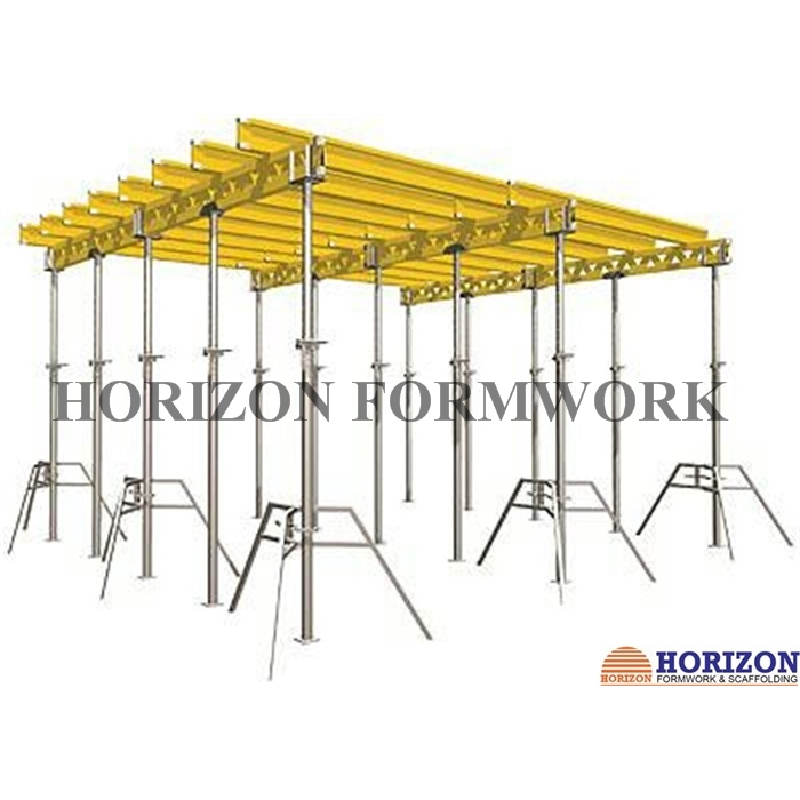
Ensuring Trust: FAQ, Lead Time, Warranty & Support
Building long-term partnerships in B2B requires not only superior products but also unwavering commitment to customer support, transparent processes, and robust assurances. Horizon Form is dedicated to providing comprehensive service for its Flex-H20 slab formwork system.
Frequently Asked Questions (FAQ):
- Q: What is the typical lead time for a Flex-H20 formwork order?
- A: Standard Flex-H20 components typically have a lead time of 3-5 weeks, depending on order volume and current production schedules. Customized or OEM orders may require 6-10 weeks, following design approval. We recommend early engagement for project planning.
- Q: How many reuse cycles can I expect from the Flex-H20 system?
- A: With proper handling and maintenance, aluminum and steel components are designed for 100+ reuse cycles. Phenolic-coated plywood panels typically offer 20-50 cycles, while advanced plastic decking can exceed 100 cycles, making it an excellent reusable slab formwork option.
- Q: Is technical support available during project execution?
- A: Absolutely. Our dedicated technical support team provides comprehensive assistance, including initial layout planning, on-site supervision for first-time assembly, and troubleshooting throughout your project. We offer both remote and on-site support packages.
- Q: Can the Flex-H20 system adapt to unusual slab thicknesses or shapes?
- A: Yes, the modularity and adjustability of the Flex-H20 system allow for adaptation to a wide range of slab thicknesses and geometries. For highly complex or unique requirements, our customized solutions and OEM services are available to design and fabricate specific components.
Warranty and After-Sales Support:
- Warranty Commitment: Horizon Form provides a comprehensive warranty on all Flex-H20 components against manufacturing defects and material failures under normal operating conditions. Specific warranty periods vary by component, typically ranging from 1 to 5 years. Full details are provided with each quotation.
- Lead Time & Fulfillment: Our robust supply chain and efficient manufacturing processes ensure reliable lead times. We work closely with clients to manage logistics, including packaging, shipping, and customs clearance, to ensure timely delivery to your project site globally.
- Customer Support: Our after-sales support extends beyond the warranty period, offering spare parts availability, repair services, and technical consultations. We are committed to ensuring the longevity and optimal performance of your formwork investment. Contact our support team via phone or email for prompt assistance.
Horizon Form values transparency and reliability, ensuring that our clients are fully supported from initial consultation through to project completion and beyond. Our commitment to quality and service builds lasting trust.
References and Authoritative Sources
- Grand View Research. (2020). Construction Formwork Market Size, Share & Trends Analysis Report By Material, By Application, By End-use, By Region, And Segment Forecasts, 2020 - 2027.
- European Committee for Standardization (CEN). (2009). EN 12812: Formwork - Performance requirements and general design. Brussels: CEN.
- International Organization for Standardization. (2015). ISO 9001: Quality management systems – Requirements. Geneva: ISO.
- Concrete Society. (2012). TR 75: Formwork for Concrete Structures. Camberley: The Concrete Society.
- ACI Committee 347. (2014). ACI 347R-14: Guide for Shoring/Reshoring of Concrete Slabs and Other Horizontal Elements. Farmington Hills, MI: American Concrete Institute.
-
OEM Pipe Shuttering: Efficient, Durable Solutions for Global Construction
NewsDec.03,2025
-
OEM A-Frame Scaffolding: Durable & Safe Solutions for Global Construction Needs
NewsDec.03,2025
-
OEM Formwork and Scaffolding: Essential Solutions for Global Construction Efficiency
NewsDec.03,2025
-
OEM Quick Industrial Scaffolding: Fast, Safe, and Sustainable Solutions for Modern Industry
NewsDec.02,2025
-
What is OEM Permanent Formwork for Suspended Slabs? Benefits & Global Insights
NewsDec.02,2025
-
OEM Plastic Formworks for Concrete: Durable, Eco-friendly Solutions for Modern Construction
NewsDec.02,2025