Februari . 25, 2026 14:43 Back to list
The Importance of Regular Maintenance and Inspection for Shoring Systems
In the high-stakes environment of a construction site, the stability of a structure under development depends entirely on the temporary systems that hold it in place. The practice of shoring and propping is not a "set it and forget it" task; rather, it is a dynamic process that requires constant vigilance and meticulous care. A single shoring prop is a finely engineered tool designed to bear immense vertical loads, but its performance is only guaranteed if the equipment is maintained in peak condition. Regular inspection protocols are the frontline defense against structural failure, ensuring that every component functions exactly as intended from the moment the concrete is poured until the support is safely struck.
The integrity of a building site is often a reflection of how well its tools are managed. Because shoring props are frequently rented, moved, and exposed to the harshest environmental conditions—ranging from abrasive concrete slurry to corrosive rain—they are susceptible to wear and tear that can compromise their load-bearing capacity. Neglecting the maintenance of these supports does not just risk the equipment; it risks the lives of everyone on the site. A comprehensive maintenance strategy ensures that the hardware remains reliable, extending the service life of the fleet and providing the structural insurance necessary for complex modern builds.
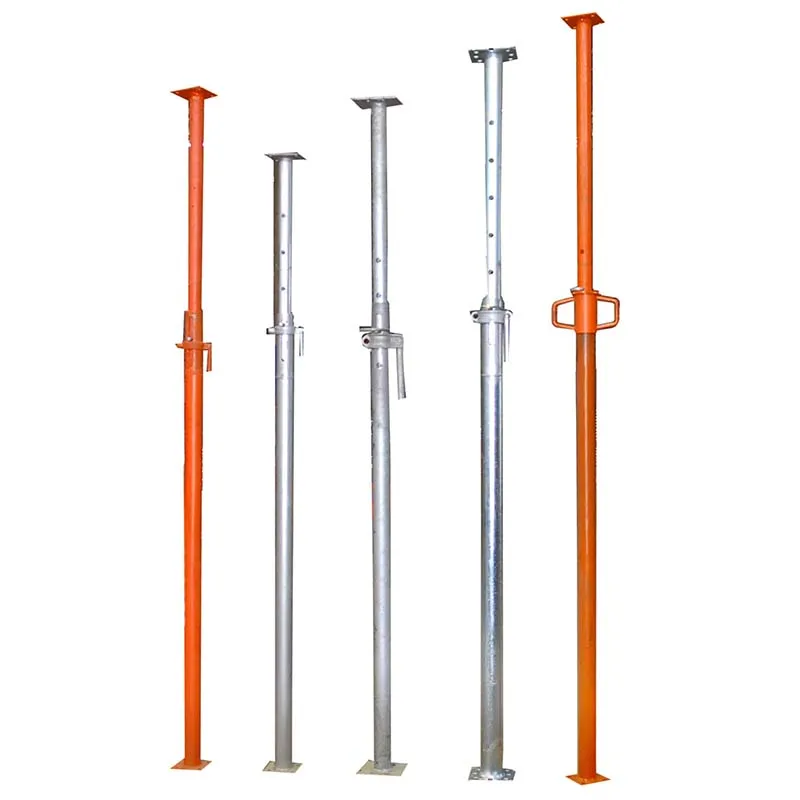
Ensuring Structural Integrity with Steel Prop Shoring Posts
The foundation of a reliable temporary support system begins with the physical condition of the steel prop shoring posts. Steel is favored for its immense compressive strength and durability, but it is not invincible. Over time, these posts can suffer from "impact damage" caused by heavy machinery or accidental drops during transport. A slight dent in the outer tube of a post might seem cosmetic, but it can significantly reduce the buckling strength of the prop. Regular inspections must focus on identifying any deformations in the tube’s geometry, as even a minor bend can cause the prop to fail under a full load.
Beyond physical dents, corrosion is the primary enemy of steel longevity. Most professional-grade shoring props are galvanized or powder-coated to resist rust, but these coatings can be chipped away during daily use. Once the raw steel is exposed to moisture, oxidation begins to eat away at the material thickness. During a maintenance check, inspectors should look for signs of "pitting" or deep rust, particularly around the base plates and the welding points. Cleaning the posts after each use and touching up damaged coatings is a simple yet effective way to ensure that your steel prop shoring posts remain a safe and profitable asset for years to come.
Verifying the Mechanism of the Telescopic Shoring Prop
The primary advantage of the telescopic shoring prop is its ability to extend and retract to fit various heights, but this functionality depends on a smooth mechanical interaction between the inner and outer tubes. If debris, such as dried concrete or sand, gets trapped between these tubes, the prop can become jammed or, worse, fail to seat correctly. Maintenance crews must ensure that the tubes slide freely and that there are no obstructions that could prevent the safety pin from fully engaging through both sections of the steel.
The safety pin itself is a critical point of inspection. This small component bears the initial load transfer between the telescopic sections, and it must be checked for signs of shearing, bending, or excessive wear. Using a makeshift pin, such as a piece of rebar or a non-rated bolt, is a frequent and dangerous mistake on construction sites. A dedicated maintenance program ensures that every telescopic shoring prop is equipped with its original, high-tensile steel pin. Ensuring that these pins are tethered to the prop body prevents them from being lost and replaced with inferior substitutes, maintaining the engineering standards required for high-rise support.
Maintenance of the Adjustable Shoring Prop Threaded Sleeve
The fine-tuning capability of the adjustable shoring prop is what allows for the precision leveling of formwork, but this feature relies entirely on a clean and functional threaded sleeve. The screw threads are often the most abused part of the prop, frequently covered in concrete splatter that hardens and prevents the adjustment nut from turning. Without regular cleaning and lubrication, the nut can become seized, rendering the prop useless for precise propping and shoring tasks.
A robust maintenance routine involves using a wire brush to remove debris from the threads after every project. Applying a light layer of specialized construction-grade lubricant helps the adjustment nut move smoothly under load, which is essential for both the initial tightening and the eventual release of the prop. Inspectors should also check for "thread stripping," where the grooves of the screw have become worn down or flattened. If the threads cannot securely hold the nut, the prop loses its ability to maintain a constant height under pressure. By keeping the adjustable shoring prop threads in top condition, contractors ensure that their leveling work remains accurate and their strike-down process remains controlled and safe.
Inspection of the Shoring Prop Jack and Specialized Heads
In more complex structural applications, the focus shifts to the specialized components like the shoring prop jack and various head attachments. The jack mechanism, which provides the final upward force to secure a beam or slab, must be inspected for smooth operation and signs of mechanical fatigue. Because the jack is often used to apply the maximum rated pressure of the system, any failure in the screw or the handle can lead to an immediate loss of support. Regular testing of the jack’s travel range ensures that it won't fail when it is most needed during a heavy structural lift.
Furthermore, specialized attachments like the adjustable u shaped shoring prop head require their own set of checks. The "U" head is designed to cradle timber or steel beams, and any warping of the flanges can cause the beam to sit unevenly or slip. Maintenance teams must verify that the head is securely welded to the inner tube and that the surface is flat and true. In the world of shoring and propping, the connection between the vertical post and the horizontal load is the most vulnerable point. Ensuring that these interfaces are in perfect condition is essential for preventing lateral shifts that could lead to a catastrophic "domino effect" failure on the job site.
-
The Ultimate Guide to Shoring Props: Types, Sizes, and Applications
HabariFeb.25,2026
-
The Role of Shoring Props in Historical Building Restoration and Renovation
HabariFeb.25,2026
-
The Importance of Regular Maintenance and Inspection for Shoring Systems
HabariFeb.25,2026
-
Temporary Support Solutions: Using Shoring Props for Emergency Structural Repair
HabariFeb.25,2026
-
Steel vs. Aluminum Shoring Props: Which One Should You Choose?
HabariFeb.25,2026
-
Shoring Props in Trenching: Ensuring Worker Safety in Excavation Projects
HabariFeb.25,2026