Oct . 16, 2025 11:50 Back to list
China Climbing Formwork: Safe, Fast, OEM for High-Rise
Field Notes on Modern High-Rise Concrete: CB240 and the Rise of Practical Platforms
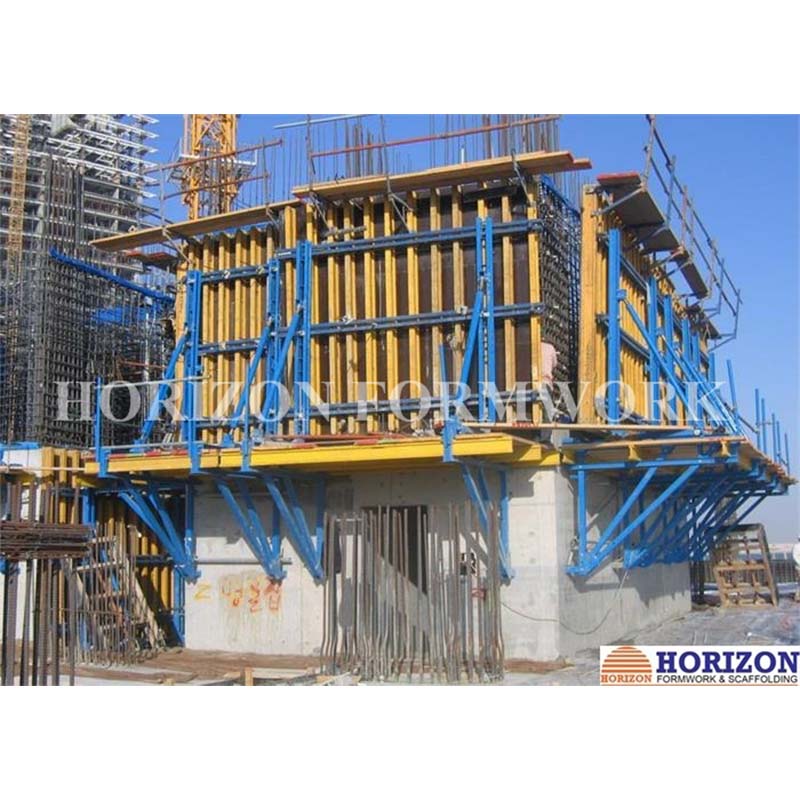
I’ve been on enough high-rise pours to know that climbing formwork can either make your schedule—or quietly wreck it. Horizon’s Climbing Formwork CB240, from Hustpark Building No. 4, Zhongxing East Street, Xingtai, Hebei, China, is one of those sensible, crane-dependent systems crews actually like because it doubles as a load-bearing and safe working platform. To be honest, not every solution needs to be flashy or fully self-climbing; sometimes reliability is the smarter bet.
Why CB240 is trending right now
High cores, tall shear walls, bridge piers—contractors are chasing cycle time, safer edge protection, and predictable logistics. The CB240 is a crane-dependent platform that works beyond 100 m high and supports a maximum formwork height up to 5.40 m per lift. It seems that crews favor it for its straight-ahead sequence: lift, anchor, plumb, pour, repeat. Actually, that predictability is gold when winds pick up or the site crane is shared.
Product specifications (field-proven, not lab-perfect)
| System | Climbing Formwork CB240 (crane dependent) |
| Usable platform height | For structures >100 m over ground (as configured) |
| Max formwork height per lift | Up to 5.40 m |
| Typical platform width | ≈ 2.4–2.8 m (customizable) |
| Bracket capacity | ≈ 60–80 kN per bracket (real-world use may vary) |
| Materials | High-tensile steel (e.g., S355), phenolic-faced plywood/form-liner options |
How it actually runs on site
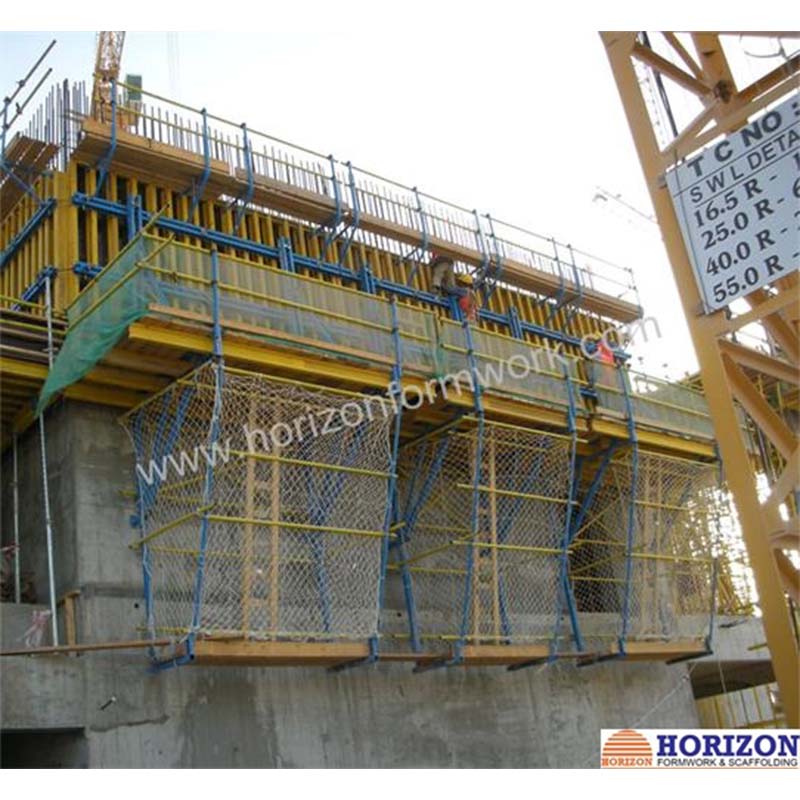
Materials and methods: welded steel brackets, anchor cones and ties, guardrails, and enclosure options. Sequence: set starter brackets, install formwork, cast first lift, anchor, crane-lift the platform to the next level, plumb/brace, pour again. Testing: static load tests per EN 12812, anchor pull-out verification on-site, and dimensional checks per EN 13670/ACI 117. Service life is usually 8–12 years with routine NDT on welds (e.g., MT/PT) and plywood replacement cycles.
Industries using climbing formwork: high-rise cores, hospitals, stadium shear walls, bridge pylons, spillway walls. Wind work? There’s provision for wind brackets and tie-back checks per EN 1991-1-4—still, always respect site-specific engineering.
Vendor landscape (quick, honest comparison)
| Vendor/System | Type | Crane Need | Strength | Notes |
|---|---|---|---|---|
| Horizon CB240 | climbing formwork (platform) | Yes | Cost-effective, simple logistics | Great for 3–5.4 m lifts |
| PERI CB class | climbing formwork | Often yes | Global support network | Premium pricing |
| Doka SKE series | Self-climbing formwork | No (hydraulic) | Faster cycles on tall cores | Higher capex, complex setup |
| ULMA RKS | Self- or crane-assisted | Mixed | Flexible configs | Project-dependent |
Customization and real projects
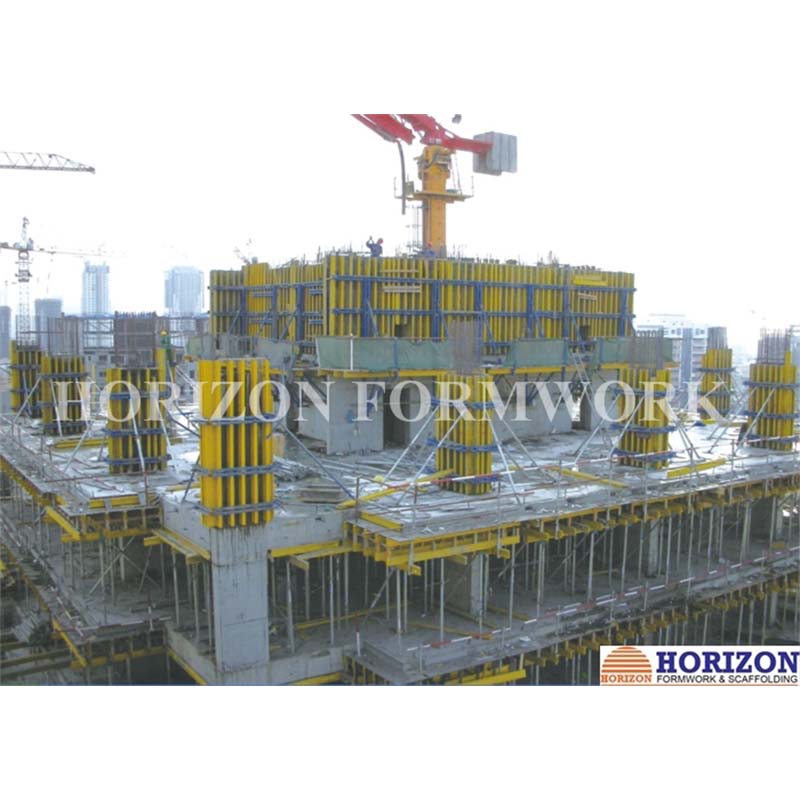
Options include platform length, enclosure screens, corner solutions, anchor types, and accessories like concrete chutes. One superintendent told me, “we shaved a day per lift just by tweaking the anchor spacing.” On a 42-story core in East Asia, CB240 cycled 3.6 m lifts in about 2–3 days with a 6–8 person crew; a bridge pier job ran 4.8 m lifts, 5-day cycle, but with tighter wind holds. Fair enough—different sites, different rules.
Quality, standards, and paperwork (the unglamorous bits)
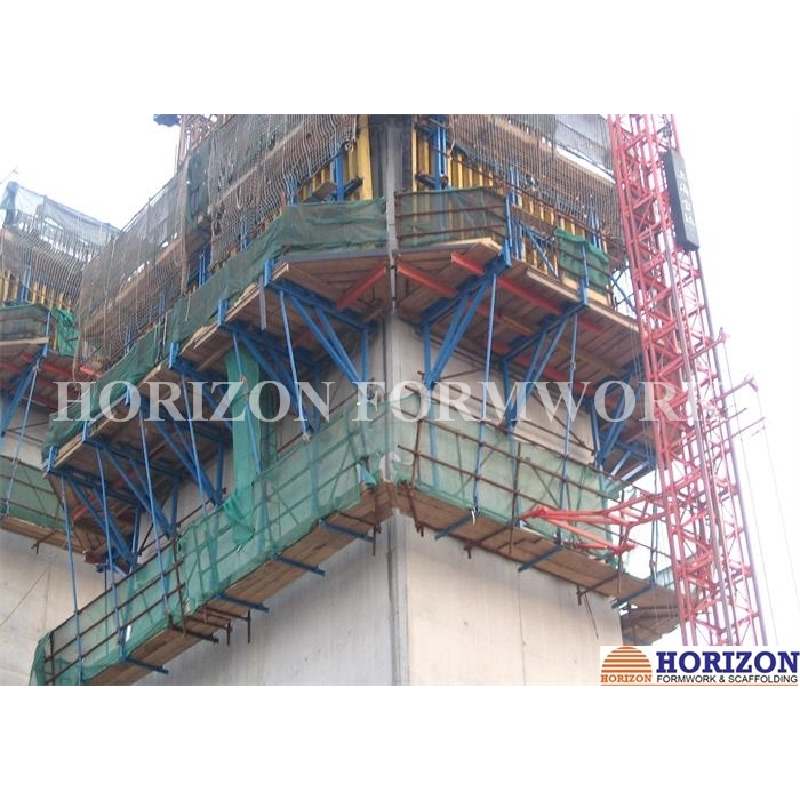
Horizon indicates ISO 9001-based QA, welding to ISO 3834 practices, CE-marked components where applicable, and design checks aligned with EN 12812, EN 1993, and ACI 347. Site acceptance tests often include 1.25× service load on brackets, torque logs for anchors, and rebar/concrete tolerances per EN 13670/ACI 117. In short: document everything; inspectors love neat binders.
If you’re weighing self-climbing against a sturdy platform, the CB240 is the pragmatic middle path. And yes, budget owners notice.
References
- ACI 347-14: Guide to Formwork for Concrete – https://www.concrete.org
- EN 12812:2008/A1:2011 Falsework – https://standards.cen.eu
- EN 13670:2009 Execution of Concrete Structures – https://standards.cen.eu
- ISO 9001:2015 Quality Management Systems – https://www.iso.org
-
OEM Pipe Shuttering: Efficient, Durable Solutions for Global Construction
NewsDec.03,2025
-
OEM A-Frame Scaffolding: Durable & Safe Solutions for Global Construction Needs
NewsDec.03,2025
-
OEM Formwork and Scaffolding: Essential Solutions for Global Construction Efficiency
NewsDec.03,2025
-
OEM Quick Industrial Scaffolding: Fast, Safe, and Sustainable Solutions for Modern Industry
NewsDec.02,2025
-
What is OEM Permanent Formwork for Suspended Slabs? Benefits & Global Insights
NewsDec.02,2025
-
OEM Plastic Formworks for Concrete: Durable, Eco-friendly Solutions for Modern Construction
NewsDec.02,2025