Feb . 25, 2026 14:46 Back to list
The Role of Shoring Props in Historical Building Restoration and Renovation
The restoration of a historical building is a delicate dance between preserving the past and ensuring a safe future. Unlike new construction, where every load path is mapped before the first brick is laid, renovation projects involve working with aged materials, compromised foundations, and architectural secrets hidden behind centuries of plaster. In this environment, the shoring prop is the most vital tool in a conservator’s arsenal. It provides the temporary structural life support necessary to stabilize fragile masonry, ancient timber beams, and sagging ceilings while permanent repairs are meticulously executed.
The process of propping and shoring in a historical context requires a far higher degree of sensitivity than a standard demolition site. The objective is to apply just enough pressure to stabilize the structure without causing additional damage to brittle lime mortar or delicate decorative carvings. Modern metal supports have become the preferred choice for these high-stakes projects, offering a level of precision and reliability that traditional timber bracing cannot match. By strategically placing these supports, engineers can "freeze" a building in its current state, allowing craftsmen to work safely within the belly of a structure that might otherwise be on the verge of collapse.
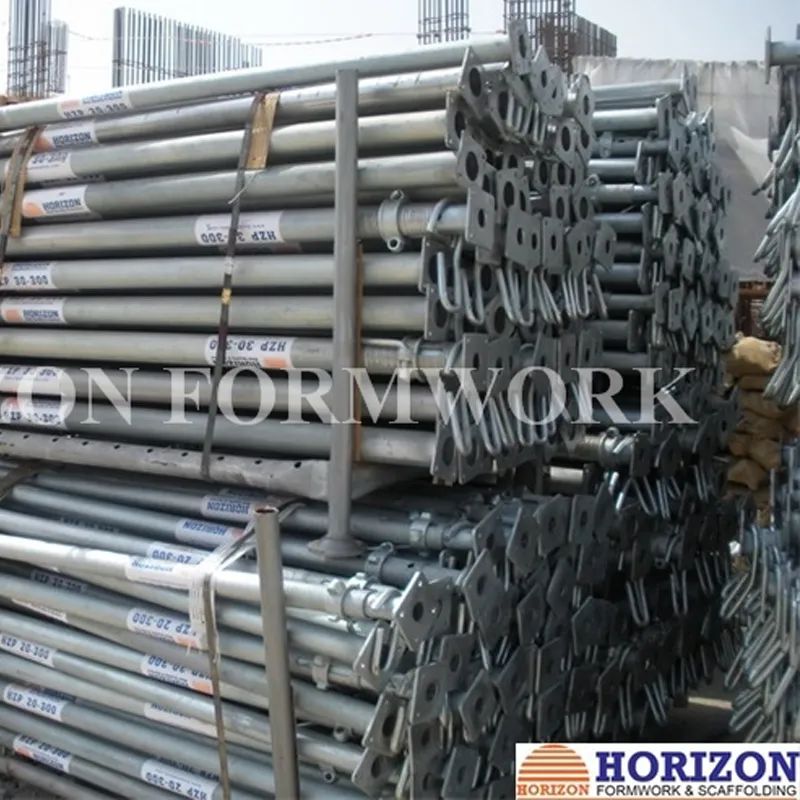
Stabilizing Fragile Structures with the Telescopic Shoring Prop
One of the greatest challenges in heritage restoration is the irregularity of the space. Ancient buildings rarely feature perfectly level floors or uniform ceiling heights, making the telescopic shoring prop an essential asset. Its ability to extend and retract through a sliding tube mechanism allows it to be fitted into cramped attic spaces, vaulted cellars, or grand halls with ease. Unlike fixed-length supports, the telescopic nature of these props means they can be adjusted on the fly to meet the unique topography of a collapsing roof or a bowing floor.
The portability of a telescopic shoring prop is equally important when working in tight, historic quarters where heavy machinery cannot enter. Restoration teams often have to carry equipment through narrow corridors or up winding stone staircases. High-quality steel telescopic props provide a high load-bearing capacity while remaining light enough for manual installation. This allows for a "surgical" approach to shoring, where supports are placed exactly where they are needed to catch a shifting load, ensuring that the historic fabric of the building remains undisturbed by the stabilization process itself.
Precision Leveling via the Adjustable Shoring Prop
In restoration work, even a movement of a few millimeters can cause irreparable cracks in historic frescoes or stained glass. This is why the adjustable shoring prop is indispensable. The fine-threaded screw mechanism allows for microscopic adjustments to the height of the support. When a load-bearing wall is being underpinned or a rotted oak beam is being replaced, the adjustable sleeve allows the restorer to slowly take up the weight of the structure, ensuring a seamless transfer of load from the old material to the temporary steel post.
This precision is also vital for "re-leveling" a building that has settled over centuries. By using a series of adjustable shoring prop units, engineers can slowly lift sagging floor joists back to their original positions. This process must be done at an incredibly slow pace—often over several weeks—to allow the building’s materials to adapt to the new stresses without snapping. The mechanical advantage provided by the threaded collar turns the prop into a precision instrument, giving the restoration team the control they need to manipulate massive structural forces with the delicacy required for museum-grade conservation.
Structural Reinforcement with Steel Prop Shoring Posts
While wood was the historical material for shoring, modern steel prop shoring posts are now the standard for major renovations. Steel offers a level of predictability that is essential when calculating the safety margins for a building with unknown structural weaknesses. A steel post will not warp under the weight of wet plaster or snap due to changes in humidity, which is a common risk when working in unconditioned historical shells. These posts are often galvanized, ensuring that they do not introduce rust stains into the porous stone or brickwork they are supporting.
The rigidity of steel prop shoring posts also allows for the creation of complex shoring towers. In many cathedrals or stately homes, the ceiling height exceeds the reach of a single prop. By using specialized lacing and bracing systems, multiple steel props can be joined together to create a stable high-reach support system. This is a common sight in shoring and propping projects involving the restoration of high-vaulted ceilings or church steeples. The strength of the steel ensures that the temporary support remains perfectly vertical, providing a rock-solid foundation for the artisans working high above the ground.
Specialized Support with the Adjustable U Shaped Shoring Prop
A frequent requirement in renovation is the need to support a horizontal beam without obstructing the work being done around it. This is where the adjustable u shaped shoring prop proves its worth. The "U" head, also known as a fork-head, is designed to securely hold a timber needle or a steel RSJ (Rolled Steel Joist) in place. In historical brick buildings, a common technique involves cutting small holes in a wall, sliding a beam through, and supporting that beam on either side with U-headed props. This allows the wall below the beam to be completely removed and rebuilt while the upper floors remain perfectly suspended.
The security offered by the adjustable u shaped shoring prop prevents lateral movement of the supported beam, which is a primary concern in older buildings where masonry might be "loose" or crumbly. The U-head cradles the load-bearing member, ensuring that it cannot slip off the vertical support even if there is slight vibration from nearby construction activity. This specialized head is a staple of propping and shoring in urban renovations, where row houses share party walls and any structural failure could have a catastrophic effect on the entire street.
-
The Ultimate Guide to Shoring Props: Types, Sizes, and Applications
NewsFeb.25,2026
-
The Role of Shoring Props in Historical Building Restoration and Renovation
NewsFeb.25,2026
-
The Importance of Regular Maintenance and Inspection for Shoring Systems
NewsFeb.25,2026
-
Temporary Support Solutions: Using Shoring Props for Emergency Structural Repair
NewsFeb.25,2026
-
Steel vs. Aluminum Shoring Props: Which One Should You Choose?
NewsFeb.25,2026
-
Shoring Props in Trenching: Ensuring Worker Safety in Excavation Projects
NewsFeb.25,2026